Emanuele Zanda
Google review
★★★★★
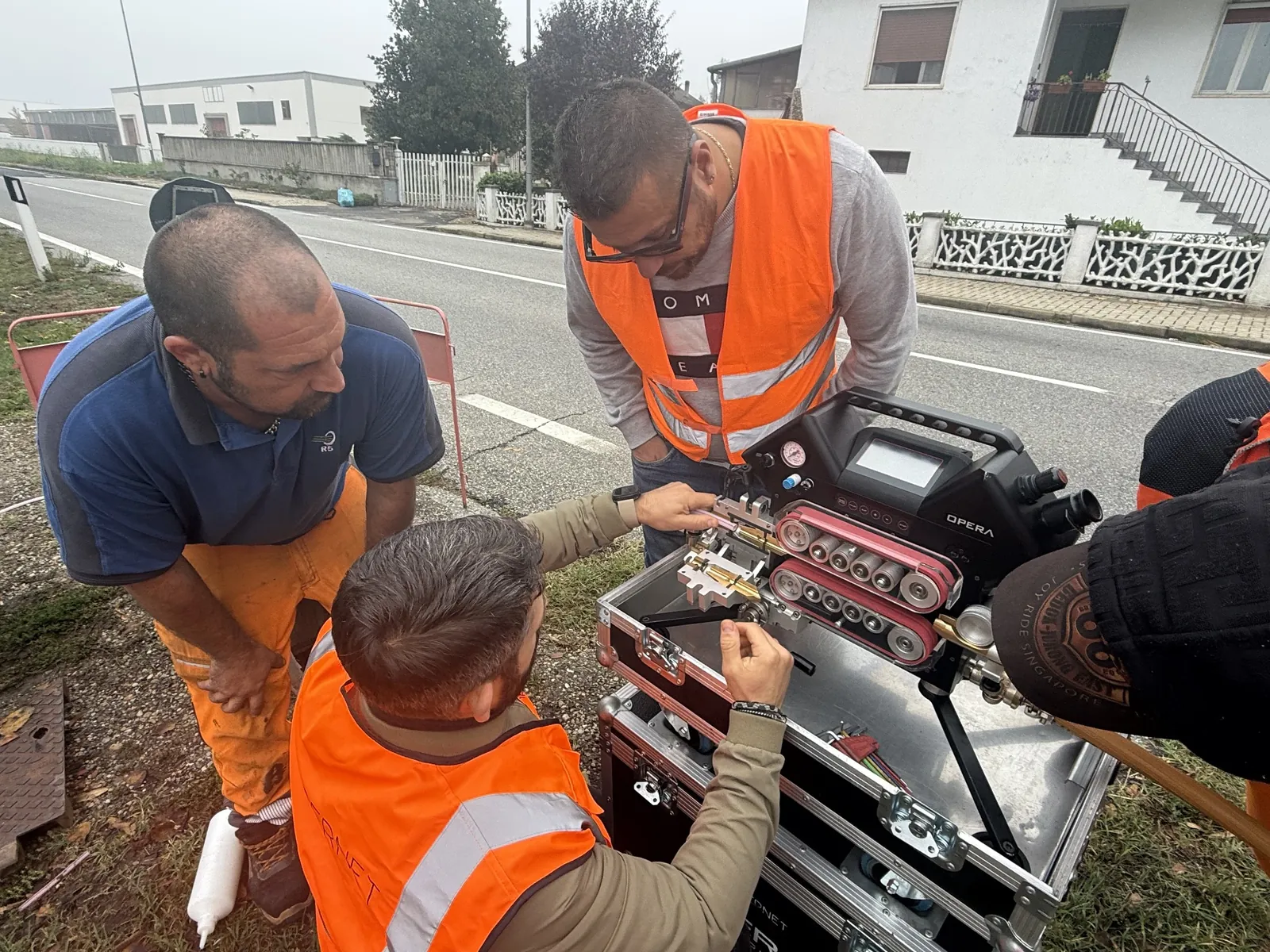
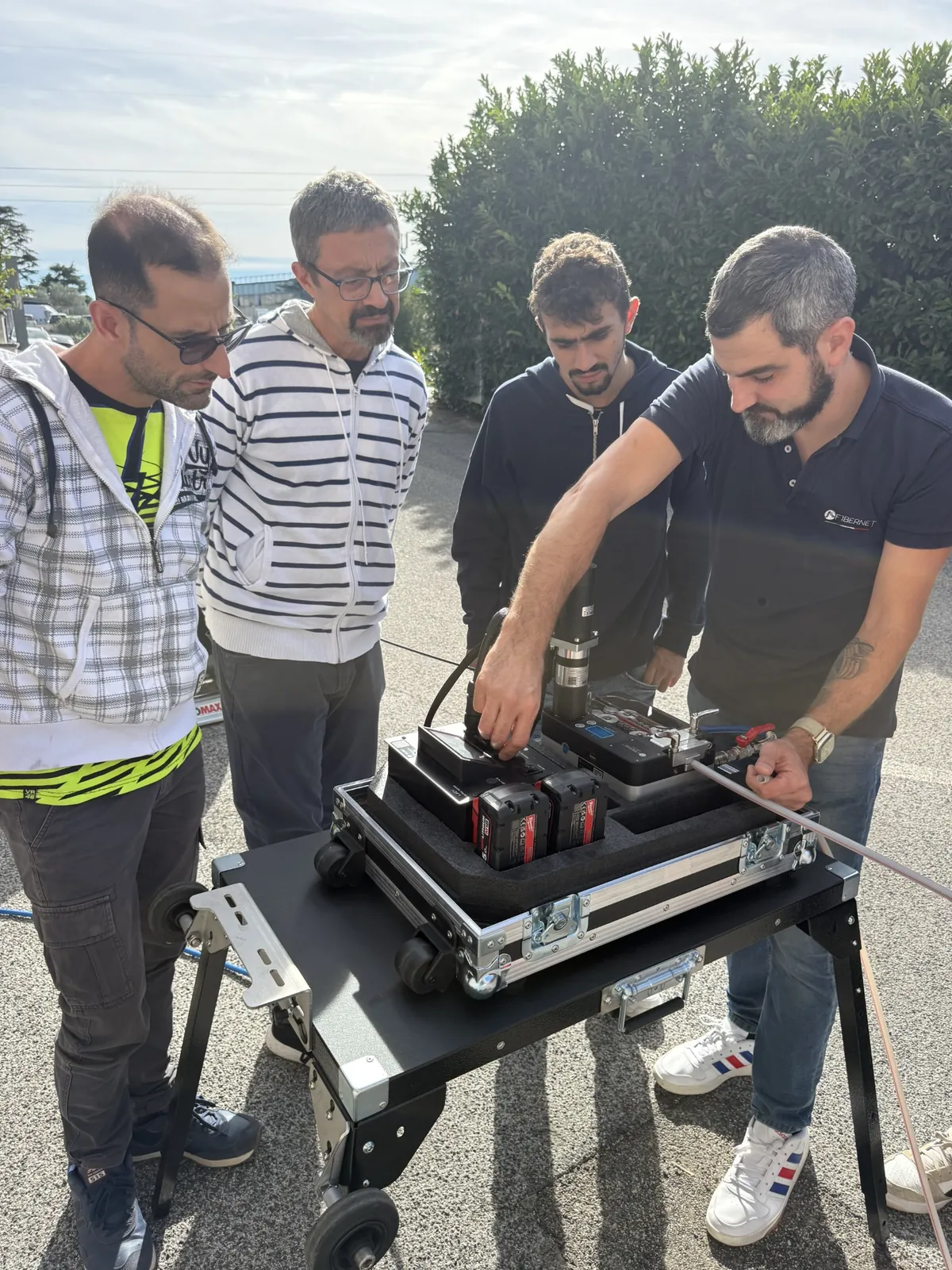
Read on Google“An excellent experience on the installer training course. The whole team was professional and knowledgeable.”
Cable blowing machines · Made in Italy
From last-mile connections to long-distance runs, a Fibernet technician can help you choose the right machine for your fibre optic cable installation.
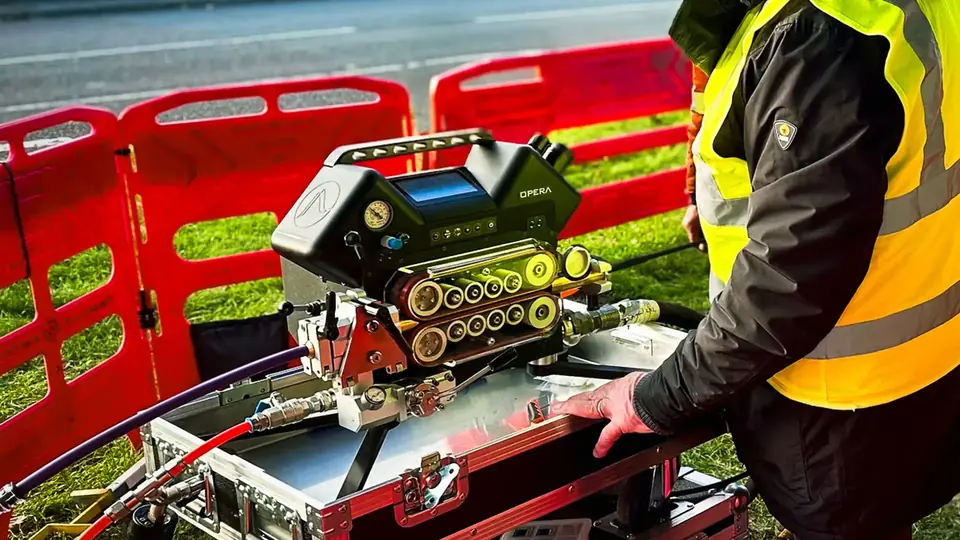
Opera, image 1 of 3
Expert advice direct from the manufacturer / Free demonstration on request
Some of our customers.

Keep your installation moving with Fibernet cable blowing machines.
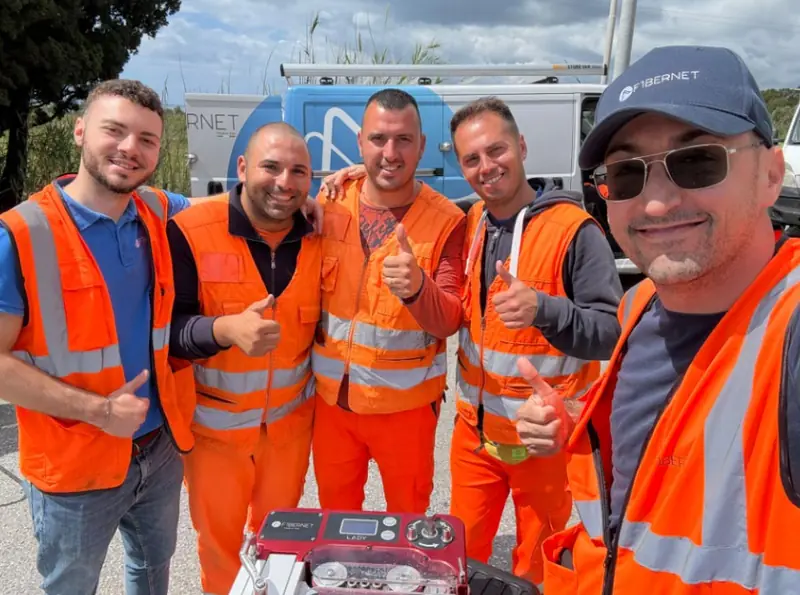
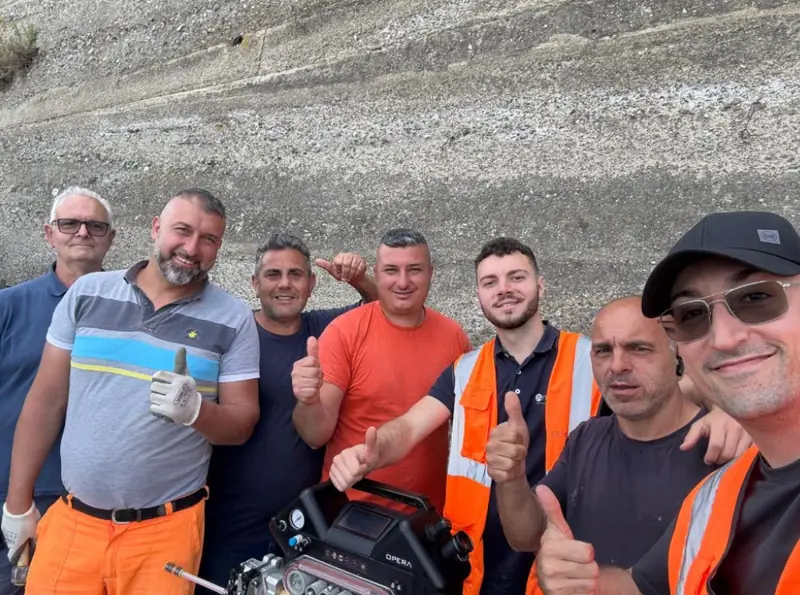
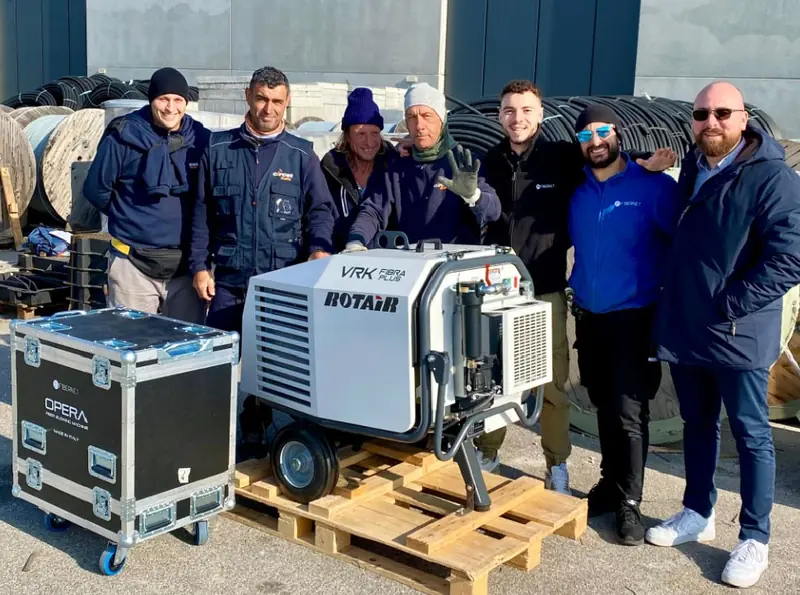
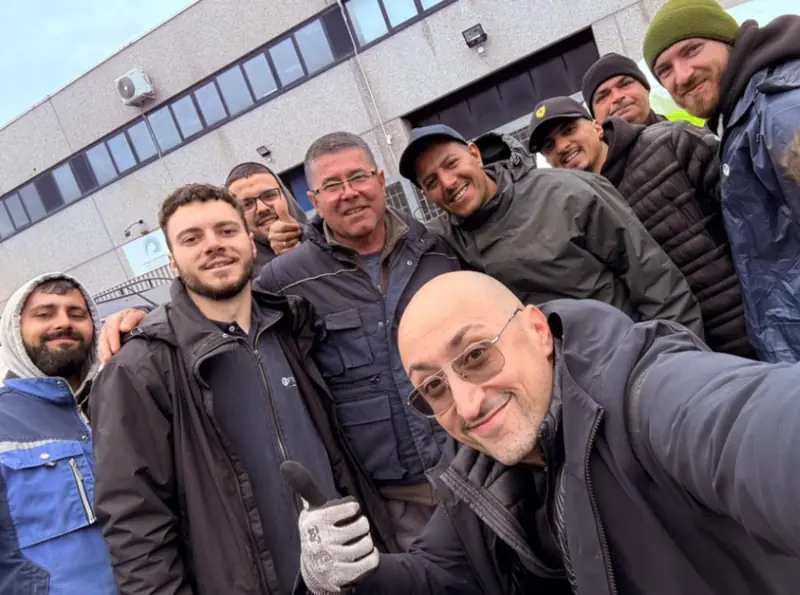
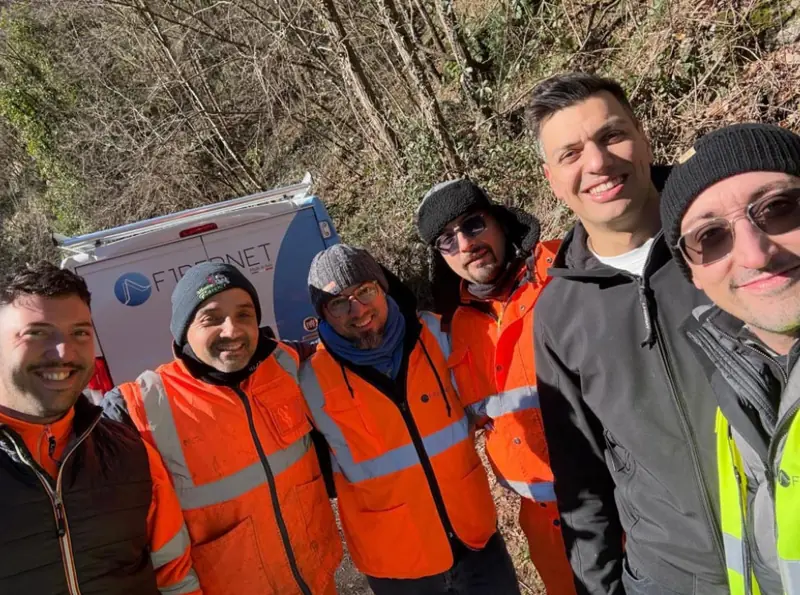
Photos and stories from installers, published by Fibernet.

 GoogleExcellentBased on 176 reviewsRead the reviews
Read on Google“An excellent experience on the installer training course. The whole team was professional and knowledgeable.”
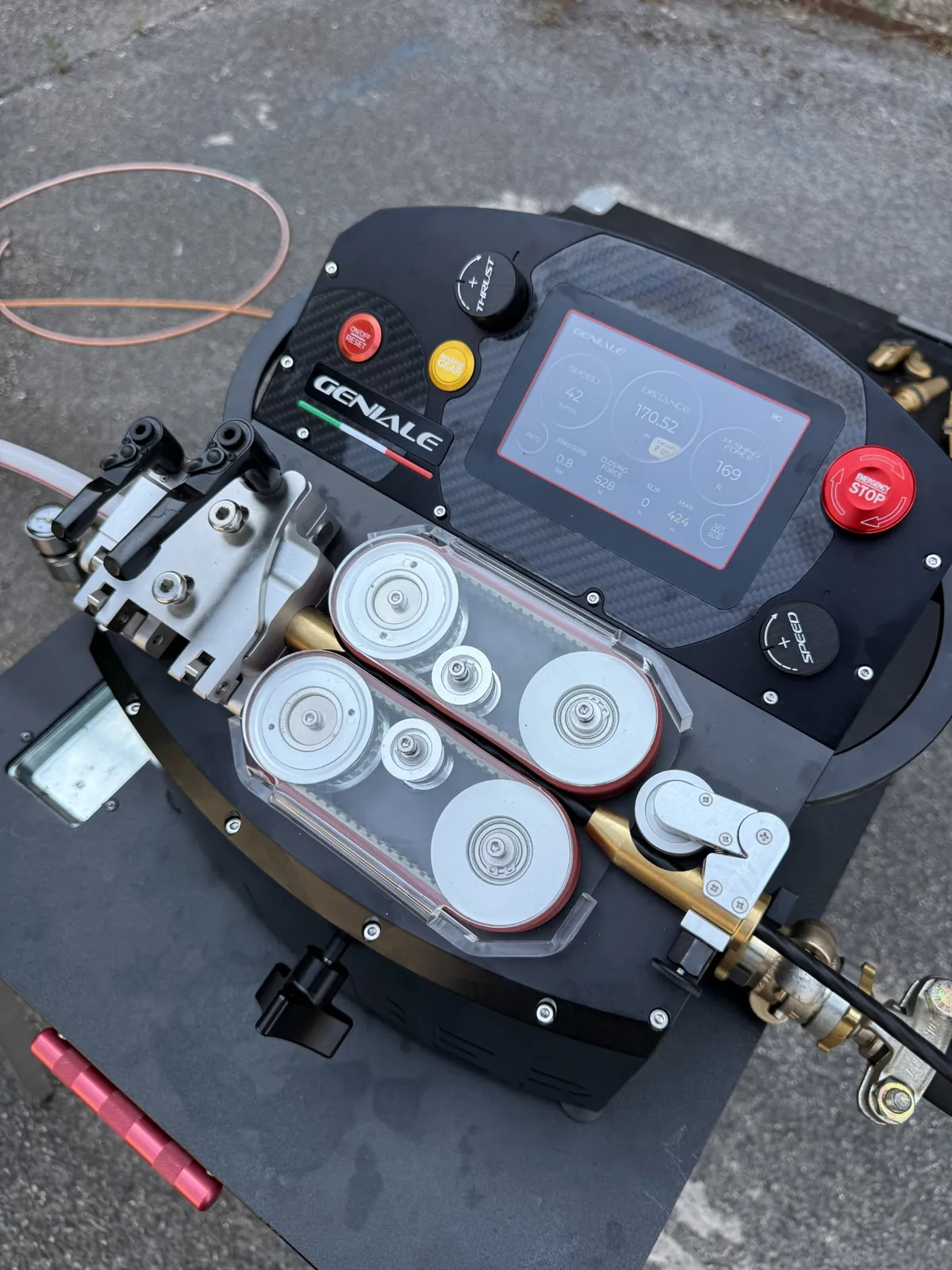
Read on Google“I had the chance to try the Opera cable blowing machine on site…”
Read on Google“I really enjoyed this course. It took place in a pleasant setting with friendly, helpful people.”
Stories from installers
Hear the results from the installers themselves. Watch their testimonials right here.
Product videos
Three machines. Find your fit.
Start with the job at hand. Our technician can answer your questions about the right setup.
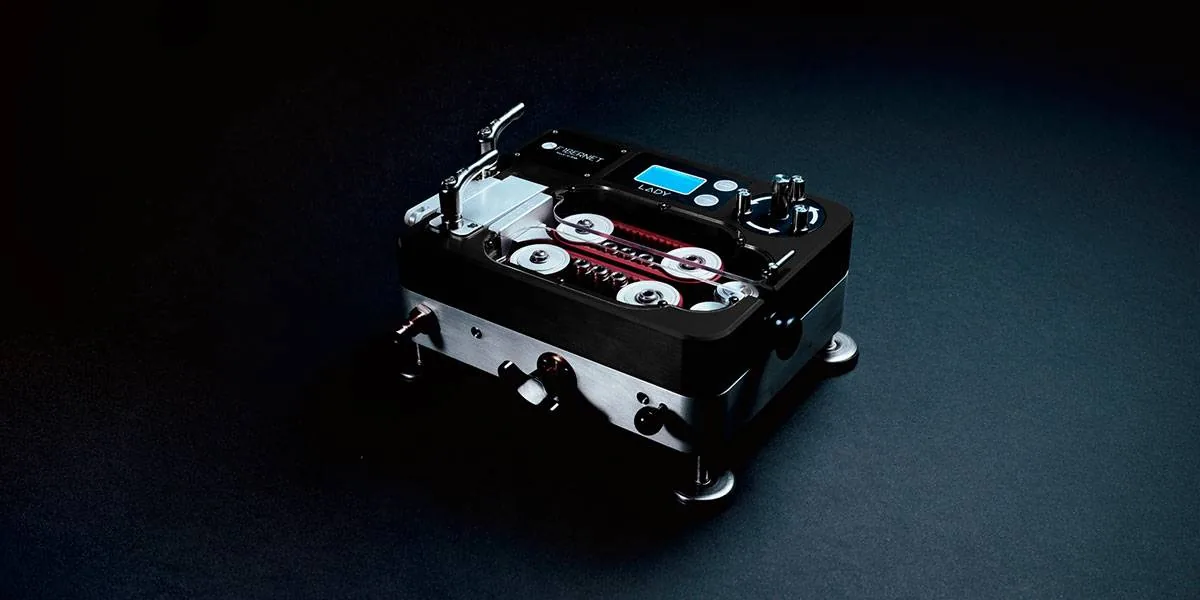
Compact and lightweight
A compact, lightweight machine for short runs.
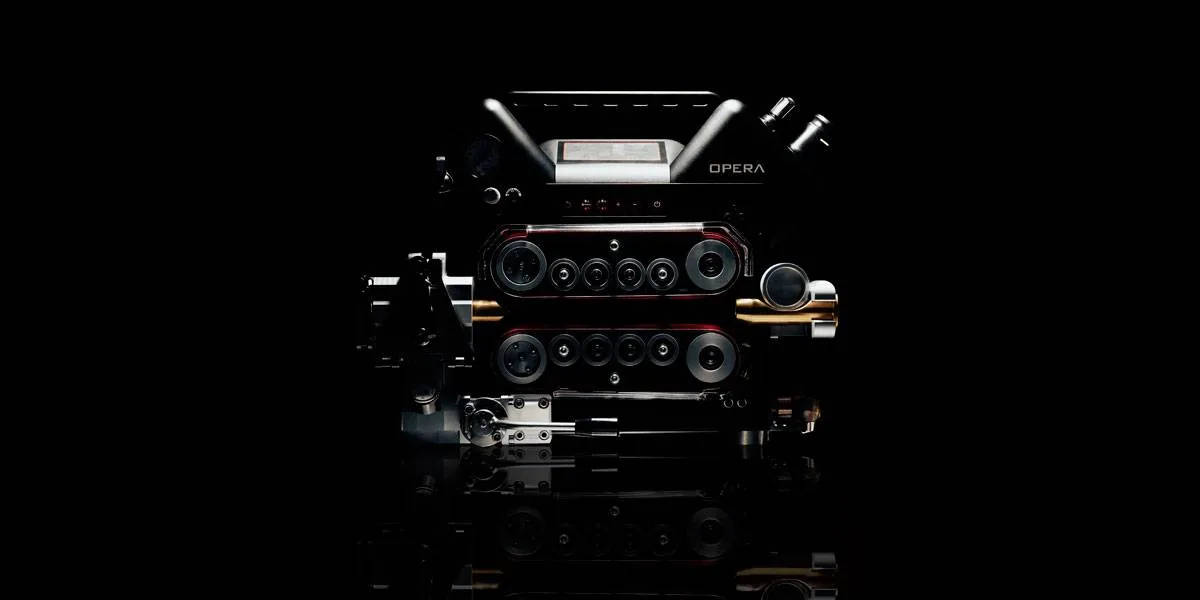
Pneumatic power
A pneumatic machine for long cable runs.
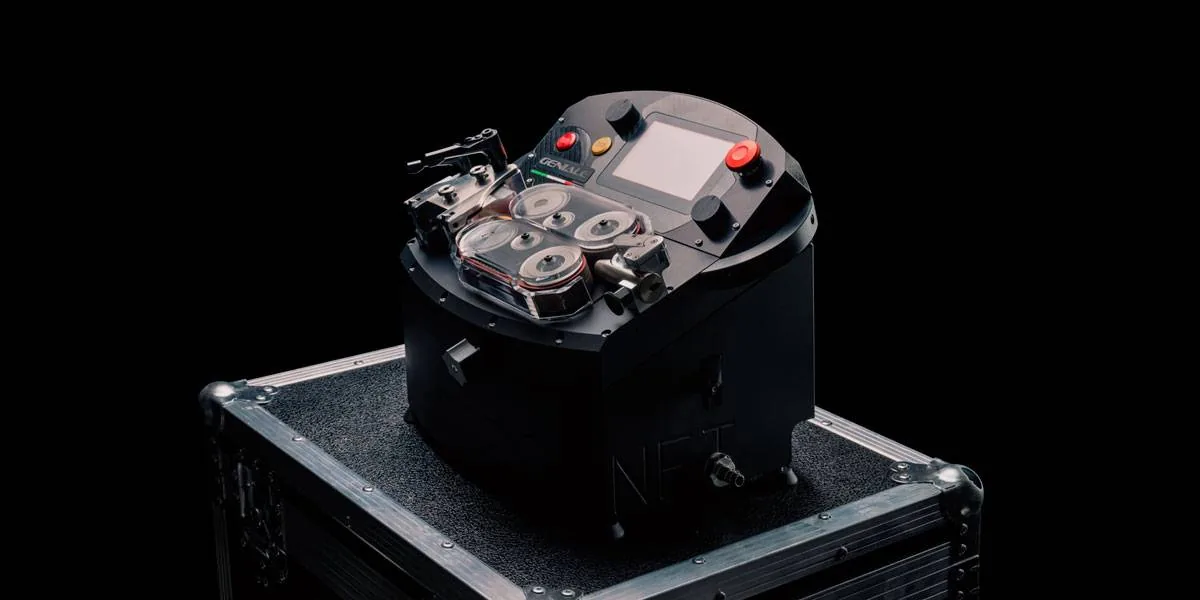
Electric, with two gears
For short and long runs. Two gears let you match force and speed to the job.
Specifications for the Fibernet range. The speeds shown are maximum values. Actual results depend on installation conditions and machine setup.
Direct from the manufacturer
When you’re working on site, you need practical answers. With Fibernet, you speak directly to the people who design and build your cable blowing machine.
Speak to a technicianA specialist technician can help when you need it.
Spare parts ready to ship, direct from the manufacturer.
If your machine breaks down, a replacement may be available within 48 hours.
Check availability and terms with your technician.Get help making the most of your machine, from your very first job.
See it in action before you choose
Request a free hands-on demonstration on your site or at Fibernet’s test facility. Discuss a real job with the technician.
Request a free demonstration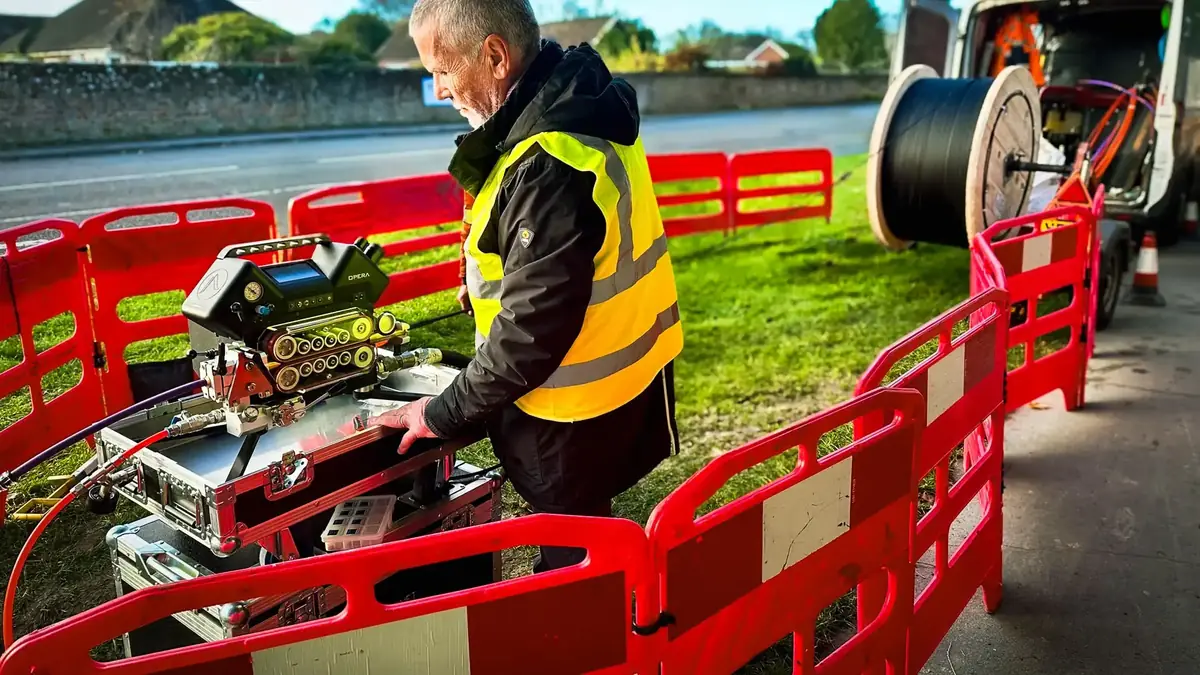
Choosing a compressed air fibre blower starts with the cable and duct combination, not with an isolated claim about maximum installation distance. Contractors working on Italian street works or international projects need equipment that suits the actual route, available compressor and cable construction. Cable diameter, duct internal diameter, bends, gradients and the condition of existing ducts all influence the installation process. Before discussing a machine, gather these details and identify any restrictions on site access or compressor positioning. This gives the equipment supplier a practical basis for assessing suitability and helps avoid purchasing a configuration that cannot accommodate the materials your crews regularly handle. A compressed air fibre cable blower combines controlled mechanical feeding with airflow through the duct. The feeding mechanism introduces the cable, while moving air helps carry it along the route. Successful operation depends on balancing these effects within the limits specified for the cable, duct and machine. Excessive pushing force is not a substitute for correct preparation, and higher pressure does not automatically produce a better result. Operators must follow the relevant instructions and verify that every component exposed to pressure is suitable for the intended conditions. Compressor selection deserves particular attention: pressure and airflow are separate requirements, and both must be assessed against the proposed setup. Available air delivery should be checked under operating conditions rather than inferred from a headline compressor rating alone. Hose length, connections and leakage can affect the air reaching the machine. Air treatment requirements should also be confirmed with the equipment supplier, especially where moisture or contamination could compromise operation. A useful project enquiry therefore includes cable and duct dimensions, intended section lengths, route characteristics and compressor specifications. If several cable sizes are involved, ask which guides, seals or other configuration parts would be needed when changing between them. Clarifying these points before mobilisation makes it easier to prepare the right equipment and reduce avoidable interruptions. Fibernet introduced its first cable blowing machine, Lady, in 2021, building on a technical background established long before that launch. For businesses comparing a fibre cable blower, the value of a manufacturer discussion lies in connecting product information with real installation requirements. Share your typical site conditions with Fibernet and request confirmation of the relevant configuration, operating limits and preparation requirements. This approach supports a more informed purchasing decision without assuming that one machine setting will suit every route. It also gives procurement staff and site supervisors a shared technical reference, so the equipment selected in the office reflects the work expected from the installation crew.
Reliable cable blowing depends as much on preparation and observation as on the machine itself. Before bringing a compressed air fibre blower into service, the crew should establish whether the duct route is continuous, correctly connected and suitable for the planned operation. Any cleaning, proving or integrity checks should follow the applicable project procedures and equipment guidance. A leaking connection or an unexpected restriction can undermine performance even when the selected machine is otherwise appropriate. Discovering such problems before feeding the cable is generally preferable to investigating them during an interrupted installation. Cable handling is another important part of the setup. Position the drum so that cable can pay off smoothly without unnecessary bends or uncontrolled movement. Protect the approach to the machine from sharp edges, passing vehicles and other site activity. The manufacturer's minimum bend radius and handling limits remain relevant throughout the operation, including at the drum and machine entry. Stable positioning of the equipment helps operators maintain a predictable cable path and observe the feeding process. Before applying compressed air, personnel should check that connections are secure, guards are in place and the receiving end is managed safely. Everyone involved needs to understand how the operation will start, how instructions will be communicated and how it will be stopped. Compressed air presents hazards, so depressurisation and isolation must precede disconnection or intervention wherever required by the operating instructions. Improvised adjustments to pressurised equipment are not an acceptable response to a stalled installation. During blowing, observe the relationship between feed behaviour, airflow and progress rather than pursuing speed alone. Changes in behaviour may indicate a route issue, cable supply resistance or an unsuitable adjustment. Stop and investigate according to the prescribed procedure when conditions fall outside the permitted limits. Any lubricant must be approved for the relevant cable, duct and equipment; compatibility should never be assumed from general suitability for other applications. Teams using a compressed air fibre optic cable blower can benefit from recording the setup for each completed section. Useful records include cable and duct identification, route length, compressor details, configuration and any interruptions encountered. These records do not guarantee the same result on the next route, but they provide a factual starting point for troubleshooting and planning. They can also help a contractor distinguish equipment questions from problems associated with a particular duct section. When contacting Fibernet, describe these observations alongside the machine configuration instead of reporting only that progress was slow. A clearly documented enquiry makes technical discussion more productive. For contractors managing several crews, consistent preparation and reporting practices help translate an equipment purchase into a more organised installation process, while keeping decisions grounded in the actual conditions at each worksite.
An equipment quotation becomes more useful when it describes the complete working configuration rather than a machine name alone. For a compressed air fibre blower, buyers should clarify what is included, which cable and duct sizes the proposed arrangement supports, and which additional components may be required. Ask about the documentation supplied, maintenance requirements and the process for obtaining technical assistance. Delivery arrangements and any destination-specific requirements should also be confirmed before placing an order. These questions matter to contractors in Italy and to English-speaking businesses purchasing equipment for projects elsewhere. Comparing fibre blower price without comparing scope can produce a misleading result. One quotation may cover a different configuration or exclude items needed for your intended application. Establish a common basis by supplying each prospective equipment source with the same project information. Then assess the proposed solution against cable compatibility, compressor requirements, expected changeovers and practical handling on site. Avoid treating an advertised maximum distance as a guaranteed outcome: route geometry, duct condition and operating conditions can materially affect what is achievable. Ongoing costs deserve the same attention as the initial purchase. Determine which parts require routine inspection, how wear is assessed and what maintenance the operating instructions require. Ask how replacement components are identified and ordered, particularly if equipment will move between countries or remote sites. Keeping a suitable maintenance record can help owners plan servicing and describe faults accurately. It also provides a more useful picture of ownership than a purchase figure considered in isolation. A used fibre blower may be an option for some businesses, but its condition and completeness need careful verification. Check identification details, available documentation, service history and whether the required configuration parts are present. Any inspection or operational demonstration should be carried out safely by competent personnel. A lower purchase cost may not represent better value if essential components are missing or the machine's suitability cannot be established. Fibernet's background offers context for buyers who want to understand the company behind the equipment. Founded in 2001, the family business draws on Giancarlo Trinei's technical experience, which began with early fibre installations in Italy during the 1980s. A generational transition began in 2010 with Matteo, Marta and Ismael joining the business, followed by the introduction of Lady in 2021. That history provides a starting point for a direct conversation, not a substitute for checking technical specifications. Businesses interested in Italian-made cable blowing equipment can contact Fibernet to discuss their application and request product and supply information. For international enquiries, include the destination, required timescale and intended configuration so that delivery possibilities and commercial details can be clarified. A well-defined request helps turn an initial comparison into a practical purchasing decision.
Fill in the form and discover what Fibernet Srl can do for you!
Contact us!Before you get started
If you prefer, speak to us directly.
+39 346 652 9915Compare the cable diameter, duct diameter and installation distance. Lady is compact and lightweight for short runs. Opera is pneumatic and designed for long runs. Geniale is electric and handles both. A Fibernet technician can help you choose.
Yes. You can request a free hands-on demonstration on your site or at Fibernet’s test facility. Tell us what you need in the form and a technician will arrange it with you. Request a demonstration.
To get a price, contact a Fibernet adviser using the form or call +39 346 652 9915.
Fibernet offers direct technical support, spare parts ready to ship and dedicated training. If your machine breaks down, a replacement may be available. Ask your technician about availability and terms.
Tell us about your job. We’ll help you find the right cable blowing machine.