Emanuele Zanda
Google review
★★★★★
Read on Google“An excellent experience on the installer training course. The whole team was professional and knowledgeable.”
Cable blowing machines · Made in Italy
From last-mile connections to long-distance runs, a Fibernet technician can help you choose the right machine for your fibre optic cable installation.
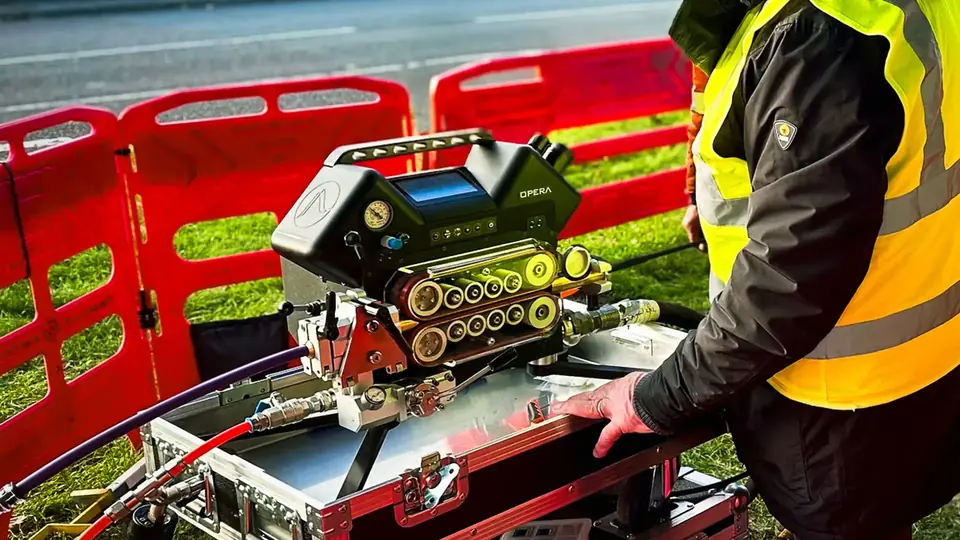
Opera, image 1 of 3
Expert advice direct from the manufacturer / Free demonstration on request
Some of our customers.
Keep your installation moving with Fibernet cable blowing machines.
Photos and stories from installers, published by Fibernet.
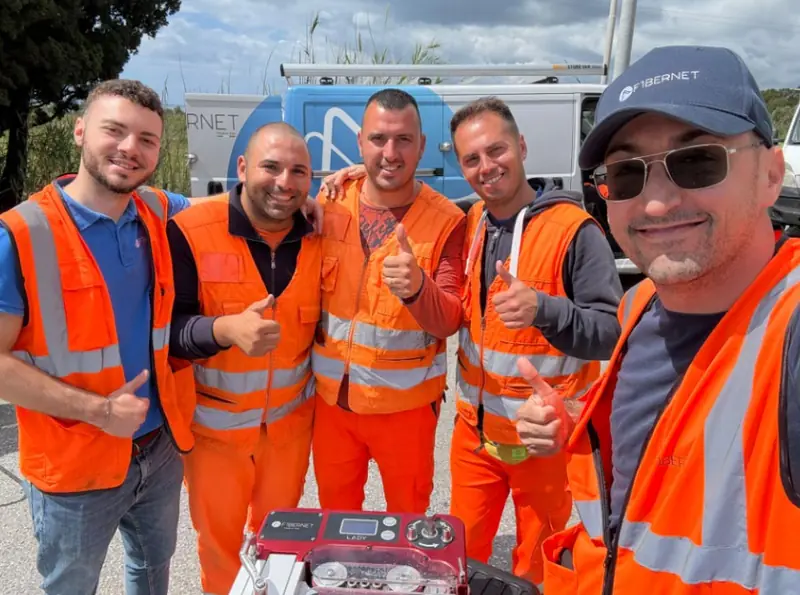
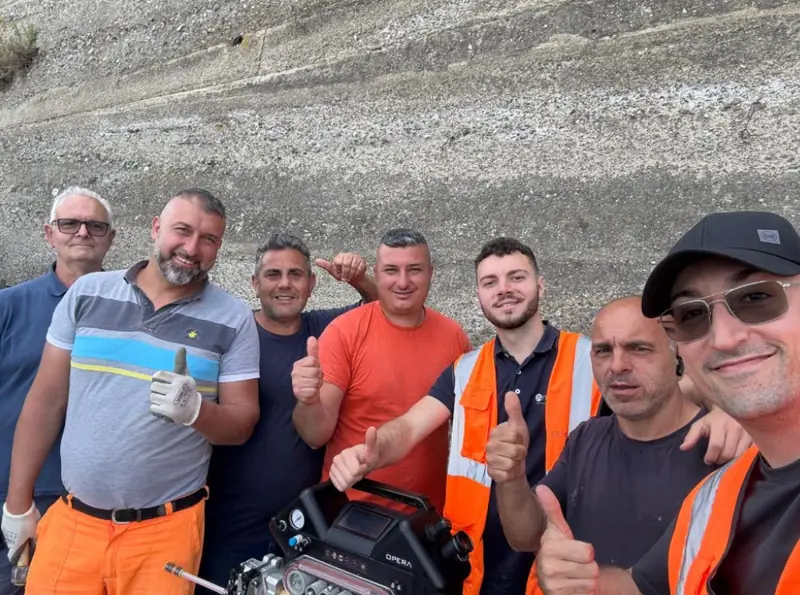
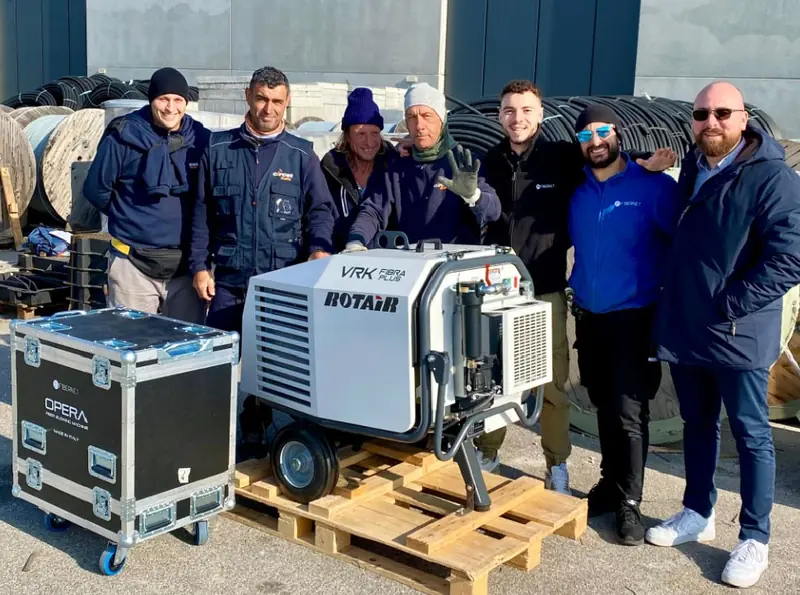
 GoogleExcellentBased on 176 reviewsRead the reviews
Read on Google“An excellent experience on the installer training course. The whole team was professional and knowledgeable.”
Read on Google“I had the chance to try the Opera cable blowing machine on site…”
Read on Google“I really enjoyed this course. It took place in a pleasant setting with friendly, helpful people.”
Stories from installers
Hear the results from the installers themselves. Watch their testimonials right here.
Product videos
Three machines. Find your fit.
Start with the job at hand. Our technician can answer your questions about the right setup.
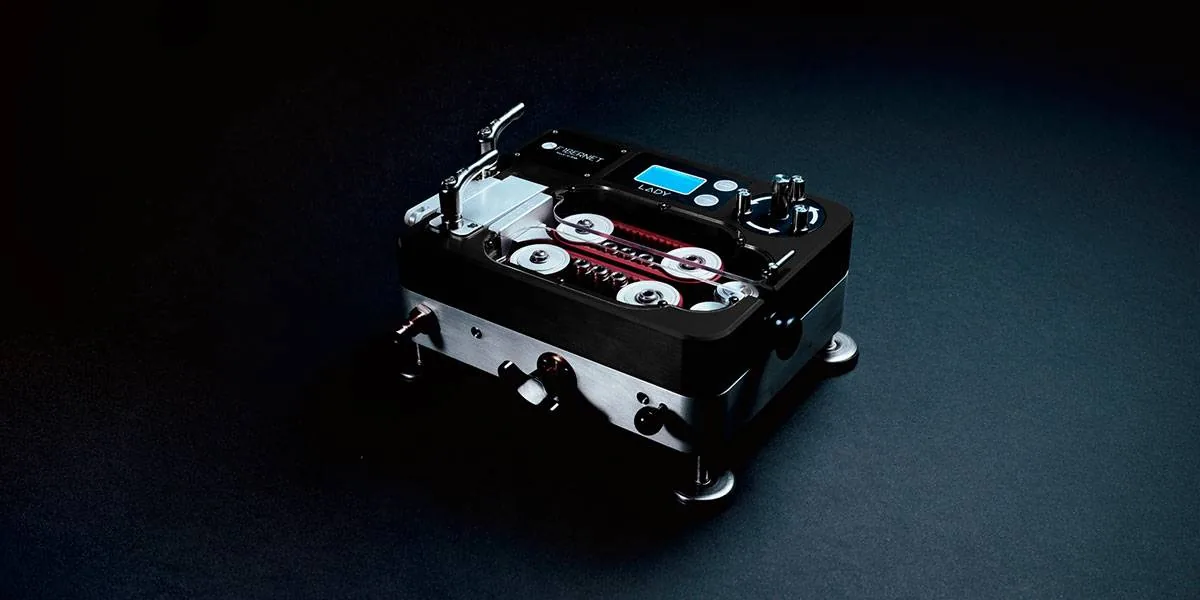
Compact and lightweight
A compact, lightweight machine for short runs.
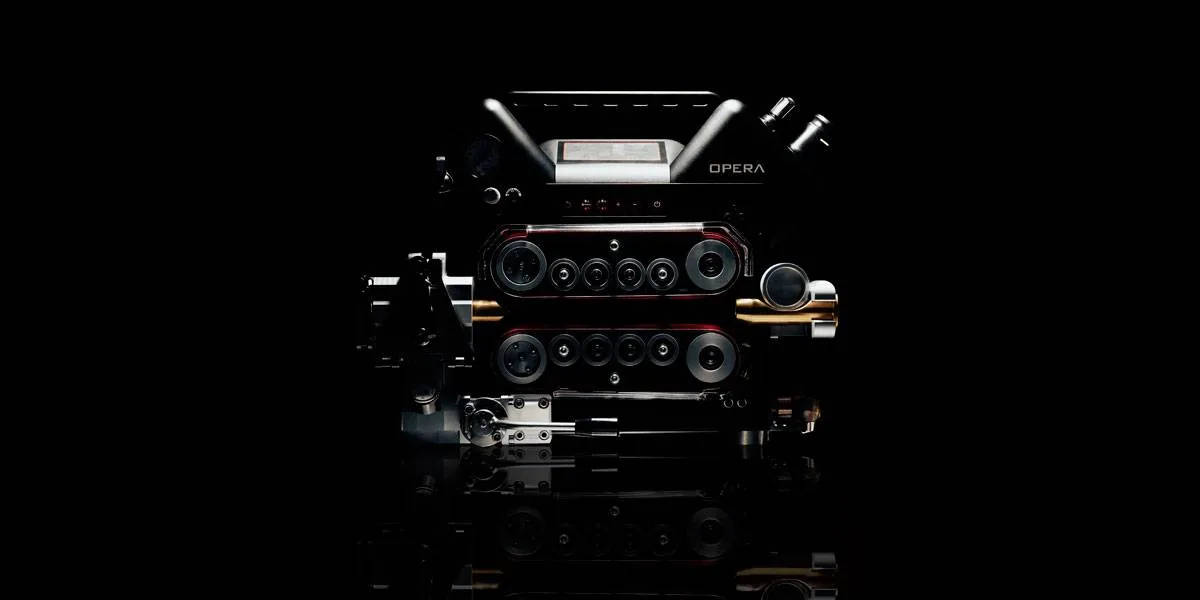
Pneumatic power
A pneumatic machine for long cable runs.
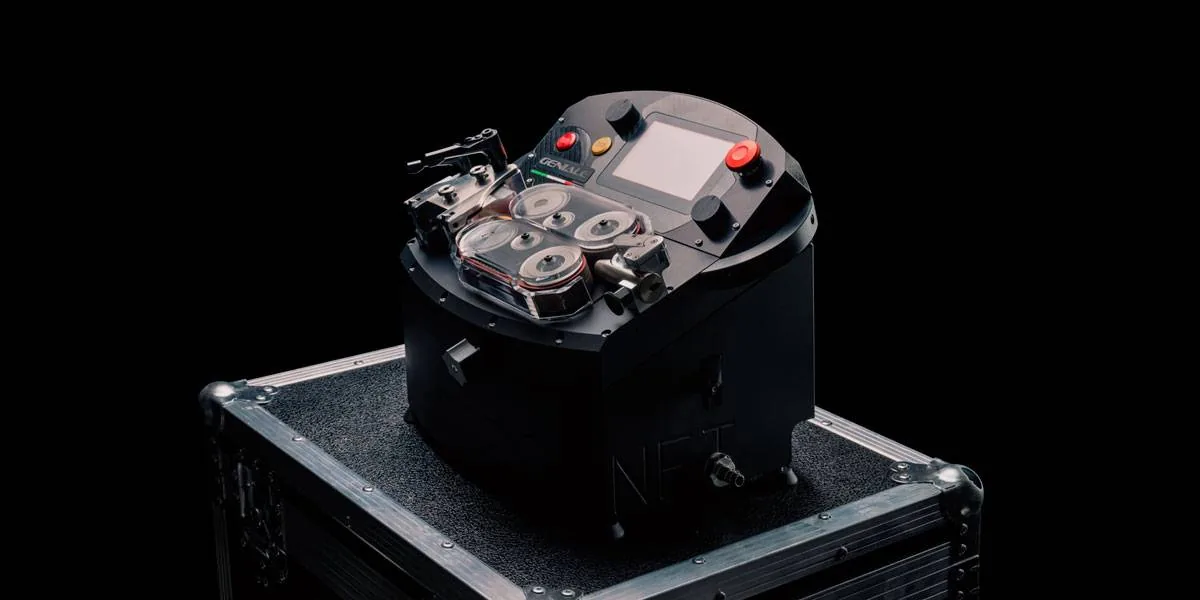
Electric, with two gears
For short and long runs. Two gears let you match force and speed to the job.
Specifications for the Fibernet range. The speeds shown are maximum values. Actual results depend on installation conditions and machine setup.
Direct from the manufacturer
When you’re working on site, you need practical answers. With Fibernet, you speak directly to the people who design and build your cable blowing machine.
Speak to a technicianA specialist technician can help when you need it.
Spare parts ready to ship, direct from the manufacturer.
If your machine breaks down, a replacement may be available within 48 hours.
Check availability and terms with your technician.Get help making the most of your machine, from your very first job.
See it in action before you choose
Request a free hands-on demonstration on your site or at Fibernet’s test facility. Discuss a real job with the technician.
Request a free demonstration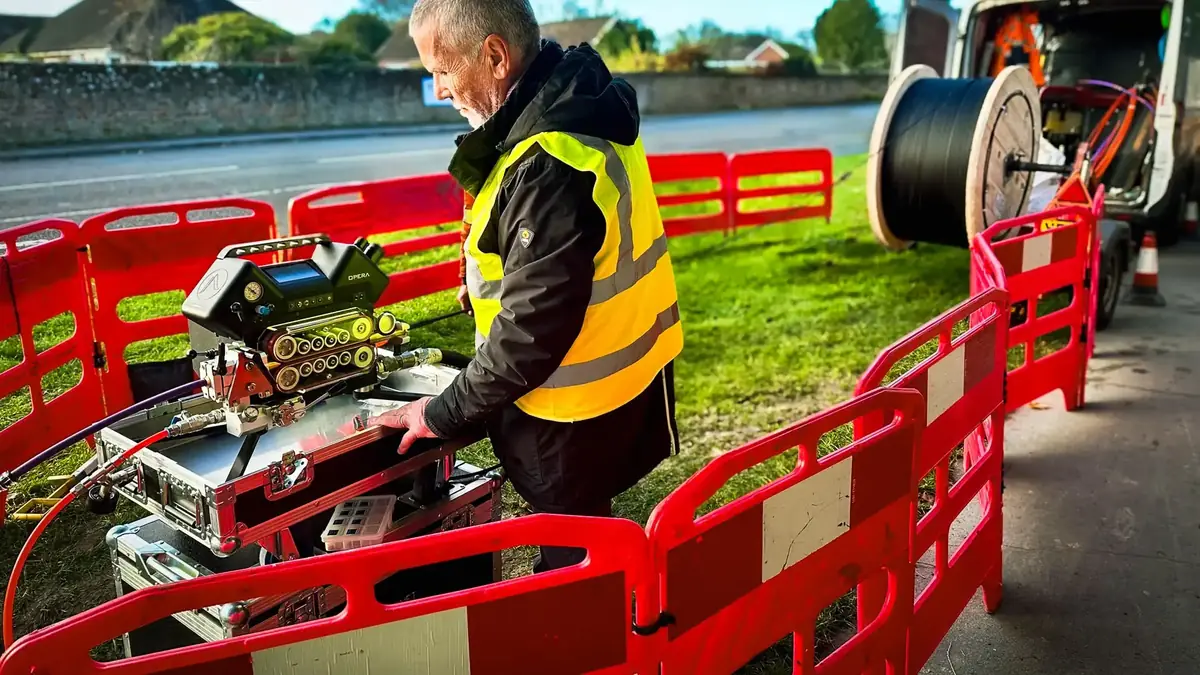
Choosing a cable blowing machine on rent starts with understanding the installation rather than selecting equipment solely by its daily cost. For contractors working on Italian sites or coordinating projects internationally, the practical question is whether the proposed machine suits the cable, the duct and the conditions along the route. Fibernet is an Italian company founded in 2001, with technical roots in the early development of optical cable installation in Italy. Its first cable blowing machine, Lady, was launched in 2021. If you are considering temporary equipment access, contact Fibernet to discuss your requirements and establish whether a suitable rental arrangement is available for your location and dates. Availability, commercial conditions and included accessories should always be confirmed before organising the installation team. A useful enquiry begins with the actual cable outside diameter and duct internal diameter, supported by the manufacturers’ technical documentation. These measurements help assess mechanical compatibility, but they do not establish achievable installation distance on their own. Cable stiffness, weight, jacket material, duct condition, bends and changes in elevation can all influence performance. Tell the supplier whether the route consists of a continuous duct section or several connected sections, and identify the access points where operators can inspect progress or reposition equipment. When assessing a cable blowing machine for fiber optic cable installation, also check the compressor requirements against the equipment documentation. Pressure and airflow are different parameters, and both matter. A compressor that reaches a particular pressure does not necessarily deliver sufficient airflow under working conditions. Air quality, connection sizes and hose configuration should also be reviewed before mobilisation. Suitable cable guides, seals and duct connections are equally important: incorrect components can cause leakage, poor traction or damage to the cable sheath. Provide information about the available working space, electrical supply where applicable, and access restrictions around chambers or roadside work areas. Photographs and a simple route sketch can help clarify details that are difficult to communicate through measurements alone. The aim is to arrive at a technically grounded equipment choice, not a promise based on ideal conditions. Before accepting any proposal, ask which settings the operator can adjust, how the cable is protected against excessive pushing force, and what checks are required before starting. Request the relevant operating instructions and establish who will answer technical questions during the agreed working period. This preparation helps reduce avoidable delays and makes discussions with Fibernet more productive. It also gives your purchasing team a clearer basis for comparing options, because each offer can be assessed against the same installation requirements rather than a headline rental figure.
A short installation programme can make temporary equipment access worth investigating, but the financial decision should account for much more than the quoted hire period. When searching for a cable blowing machine on rent, contractors should build a cost comparison around their actual programme, expected utilisation and responsibility for associated equipment. Ask whether the quotation includes the correct cable guides, sealing components, duct connectors and any other items needed for the specified installation. Clarify whether a compressor is included or must be arranged separately. Transport, insurance, deposits, cleaning, consumables and potential charges for damaged or missing components may also affect the final amount. None of these terms should be assumed from a product photograph or a brief description. A meaningful comparison with the fiber cable blowing machine price requires a realistic estimate of future use. A contractor with occasional assignments may assess temporary access differently from a business running several installation teams throughout the year. Ownership introduces its own considerations, including servicing, storage, inspections, replacement wear parts and the availability of personnel who understand the equipment. Conversely, an extended hire period may become less attractive if the machine remains unused while the site waits for permissions, duct repairs or other preparatory work. Separate productive installation days from calendar days when reviewing the programme. Before requesting a fibre optic cable blowing machine on rent, prepare a schedule that includes delivery, receipt inspection, site preparation, installation, cleaning and return. Ask how the supplier handles an extension if the route takes longer than expected, and whether an early return changes the agreed charge. Establish what happens if the equipment arrives with a missing accessory or develops a fault during use. The relevant agreement should explain reporting procedures, maintenance responsibilities and any replacement arrangements that have actually been offered. For projects outside Italy, clarify delivery feasibility, transit times, customs responsibilities where applicable and the process for returning equipment. International enquiries require particular care because temporary equipment movements may involve different documentation from an outright purchase. Fibernet’s Italian manufacturing background provides a useful starting point for discussions about its machines, but it does not establish rental coverage in every destination. Ask the team to confirm the options for your specific country. A well prepared enquiry should therefore include your company details, destination, preferred dates, cable and duct dimensions, planned route lengths and compressor information. With those facts available, you can request a clear commercial proposal and judge whether the proposed arrangement supports the project. The best decision is the one that balances equipment suitability, contractual clarity and the true cost of completing the installation.
Effective installation depends on how the equipment is prepared and operated, not simply on having a machine delivered to the site. Before committing to a cable blowing machine on rent, identify who will inspect the equipment, set it up and authorise the start of work. The installation team should understand the operating instructions for the specific model, including its controls, emergency stop arrangements and stated operating limits. Previous experience with another machine does not replace that review. Fibernet’s development of Lady reflects a business focused on cable blowing equipment, and technical discussions should concentrate on the exact configuration proposed for your cable and duct. Ask for the documentation needed to establish compatibility rather than assuming that every available accessory suits every application. Site preparation begins with the duct route. Check continuity and condition using methods appropriate to the duct system and the project specification. Obstructions, poorly assembled joints, water or contamination can compromise progress and should be addressed before equipment is connected. Verify that the duct and associated fittings are suitable for the intended operating pressure. Compressed air presents hazards, so connections must be secure and the system must be depressurised before disconnection or intervention. Establish exclusion zones and communication procedures appropriate to the work area, particularly where separate teams are stationed at different access points. When reviewing an optical fibre cable blowing machine on rent, consider how the cable drum will be positioned and controlled. The cable should feed smoothly without sharp changes of direction or uncontrolled tension. Suitable drum handling and clear communication between operators help avoid problems at the machine inlet. Use only lubricants and preparation methods compatible with the cable, duct and equipment guidance. During installation, monitor the available operating indicators and observe the cable feed rather than treating a target speed as the main measure of success. Unexpected resistance, irregular movement or visible sheath marking should prompt a controlled stop and investigation. Increasing force without understanding the cause can turn a manageable obstruction into cable damage. Record the settings and observations from each section so that subsequent decisions are based on evidence. Useful records can include cable identification, duct dimensions, section length, operating conditions and reasons for interruptions. Before equipment is returned, follow the agreed cleaning and inspection procedure, check accessories against the delivery list and report any faults accurately. These steps support a smoother handover and reduce uncertainty about equipment condition. For your initial discussion with Fibernet, share the proposed working method alongside the technical measurements. That gives the team a clearer picture of the application and helps establish what equipment information, availability confirmation and commercial details you need before proceeding.
Fill in the form and discover what Fibernet Srl can do for you!
Contact us!Before you get started
If you prefer, speak to us directly.
+39 346 652 9915Compare the cable diameter, duct diameter and installation distance. Lady is compact and lightweight for short runs. Opera is pneumatic and designed for long runs. Geniale is electric and handles both. A Fibernet technician can help you choose.
Yes. You can request a free hands-on demonstration on your site or at Fibernet’s test facility. Tell us what you need in the form and a technician will arrange it with you. Request a demonstration.
To get a price, contact a Fibernet adviser using the form or call +39 346 652 9915.
Fibernet offers direct technical support, spare parts ready to ship and dedicated training. If your machine breaks down, a replacement may be available. Ask your technician about availability and terms.
Tell us about your job. We’ll help you find the right cable blowing machine.