Emanuele Zanda
Google review
★★★★★
Read on Google“An excellent experience on the installer training course. The whole team was professional and knowledgeable.”
Cable blowing machines · Made in Italy
From last-mile connections to long-distance runs, a Fibernet technician can help you choose the right machine for your fibre optic cable installation.
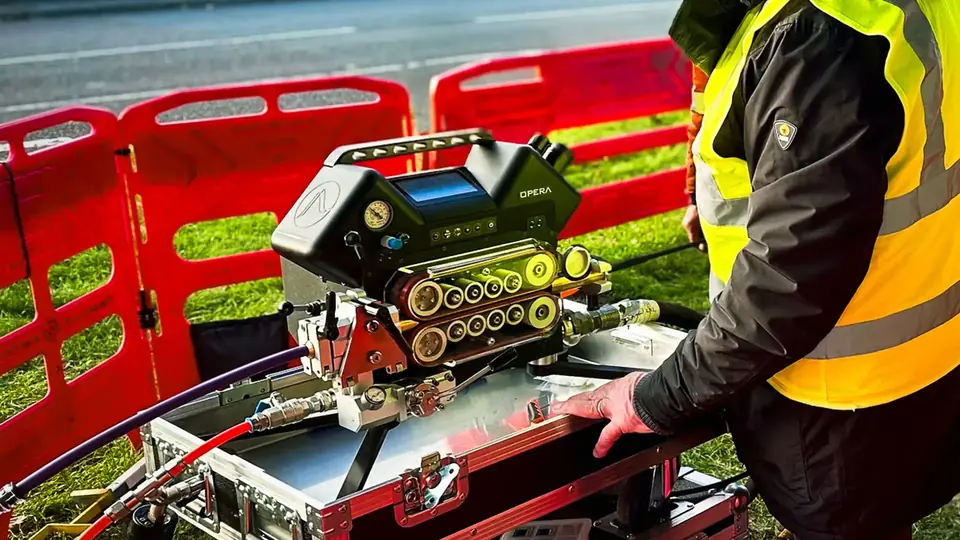
Opera, image 1 of 3
Expert advice direct from the manufacturer / Free demonstration on request
Some of our customers.

Keep your installation moving with Fibernet cable blowing machines.
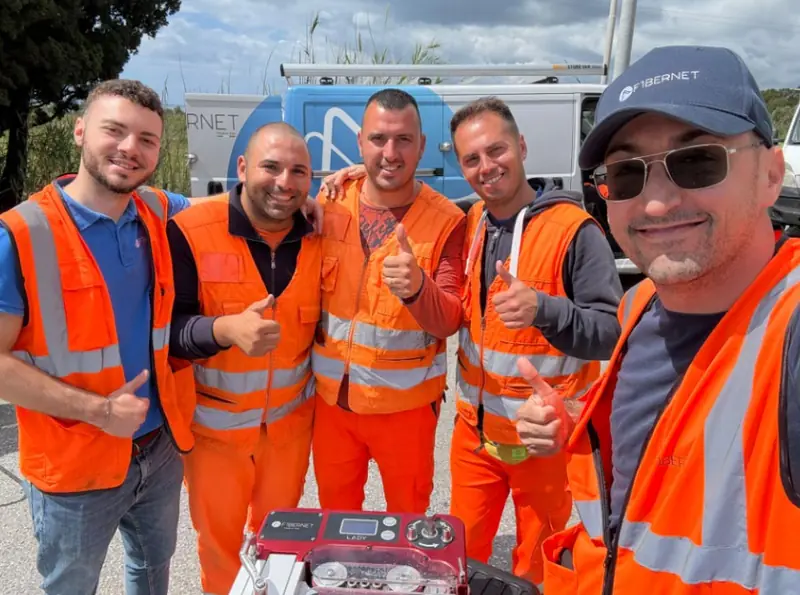
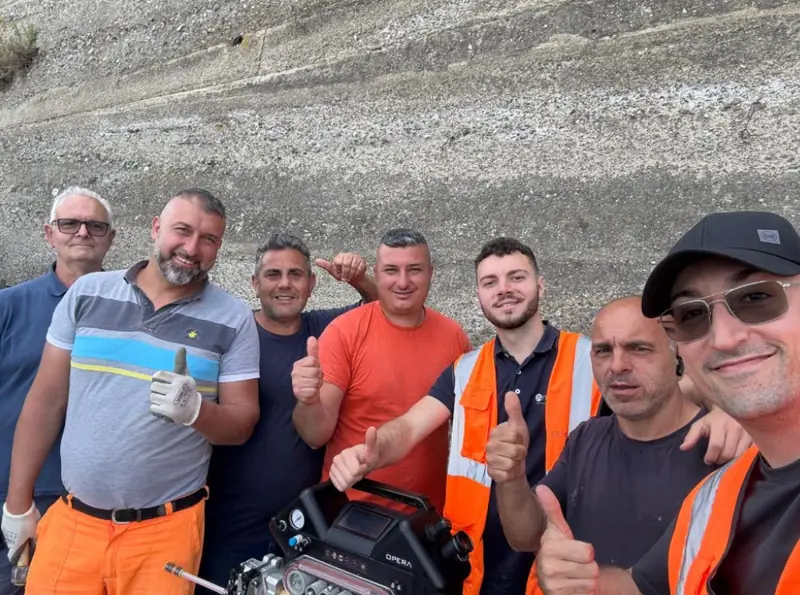
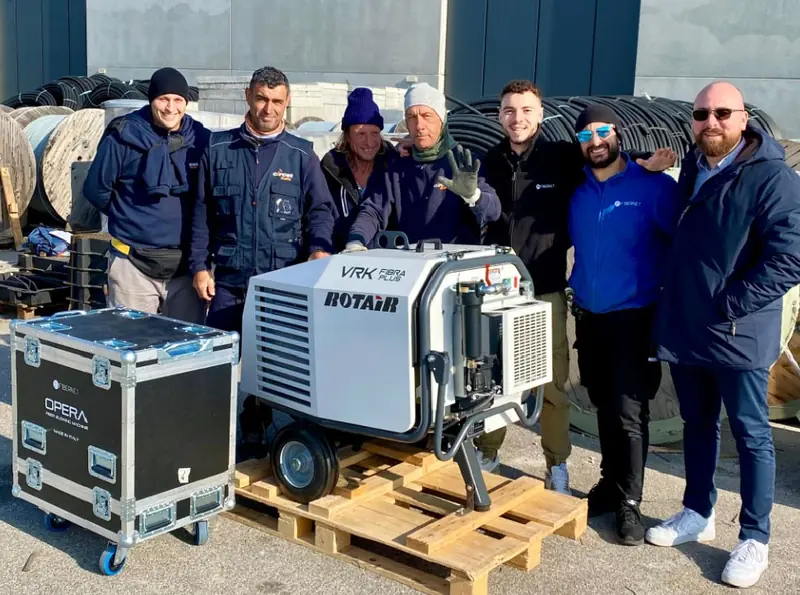
Photos and stories from installers, published by Fibernet.
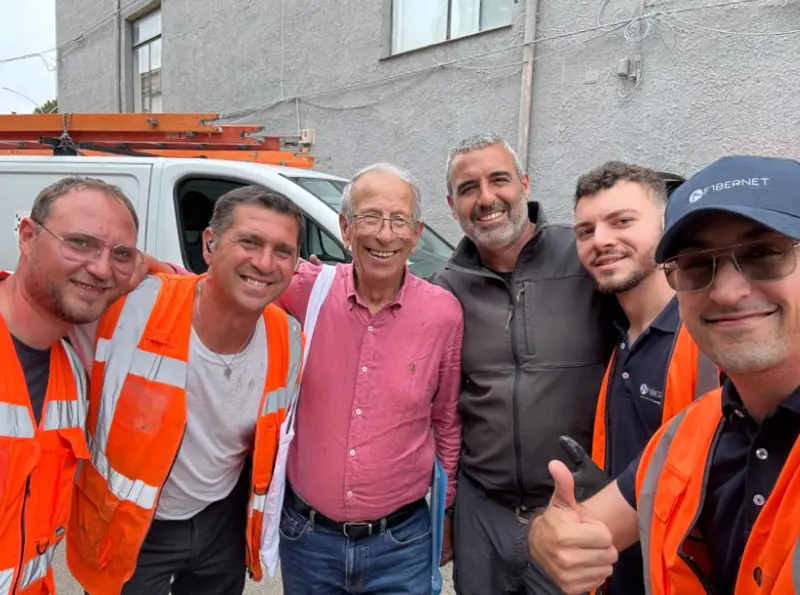
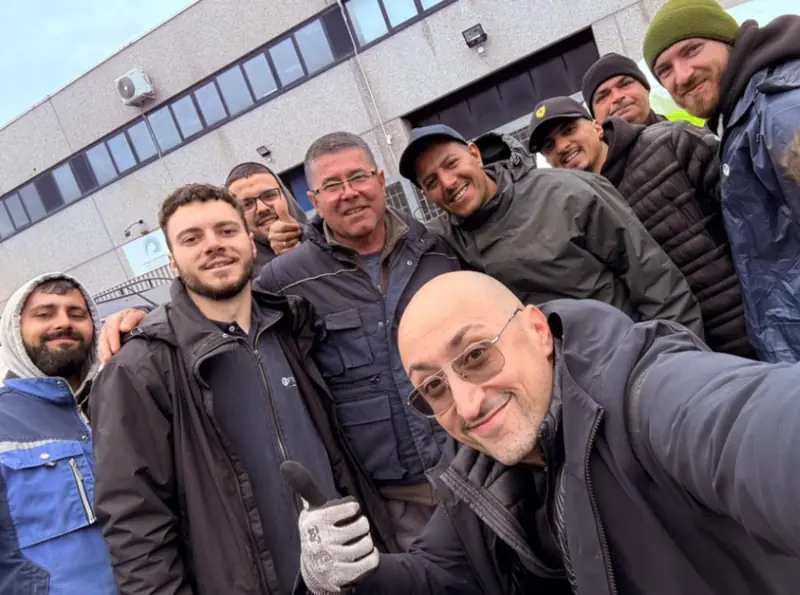
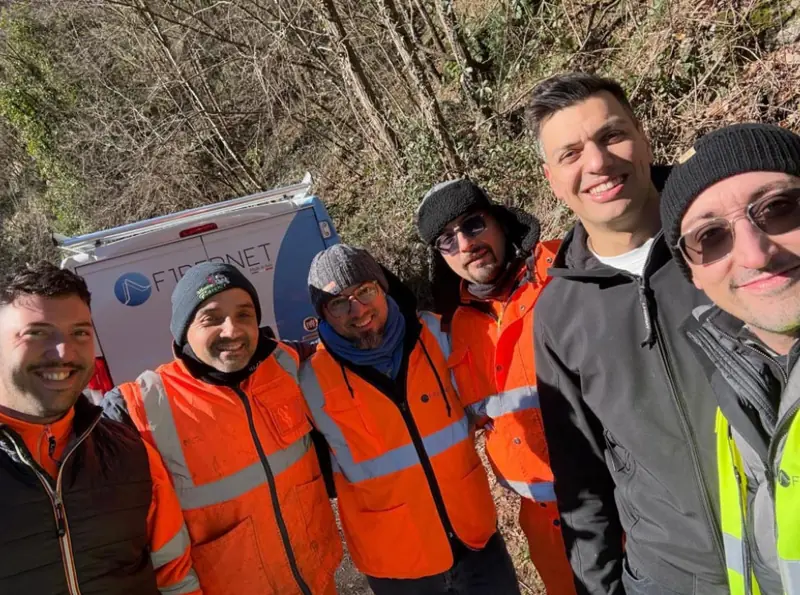 GoogleExcellentBased on 176 reviewsRead the reviews
Read on Google“An excellent experience on the installer training course. The whole team was professional and knowledgeable.”
Read on Google“I had the chance to try the Opera cable blowing machine on site…”
Read on Google“I really enjoyed this course. It took place in a pleasant setting with friendly, helpful people.”
Stories from installers
Hear the results from the installers themselves. Watch their testimonials right here.
Product videos
Three machines. Find your fit.
Start with the job at hand. Our technician can answer your questions about the right setup.
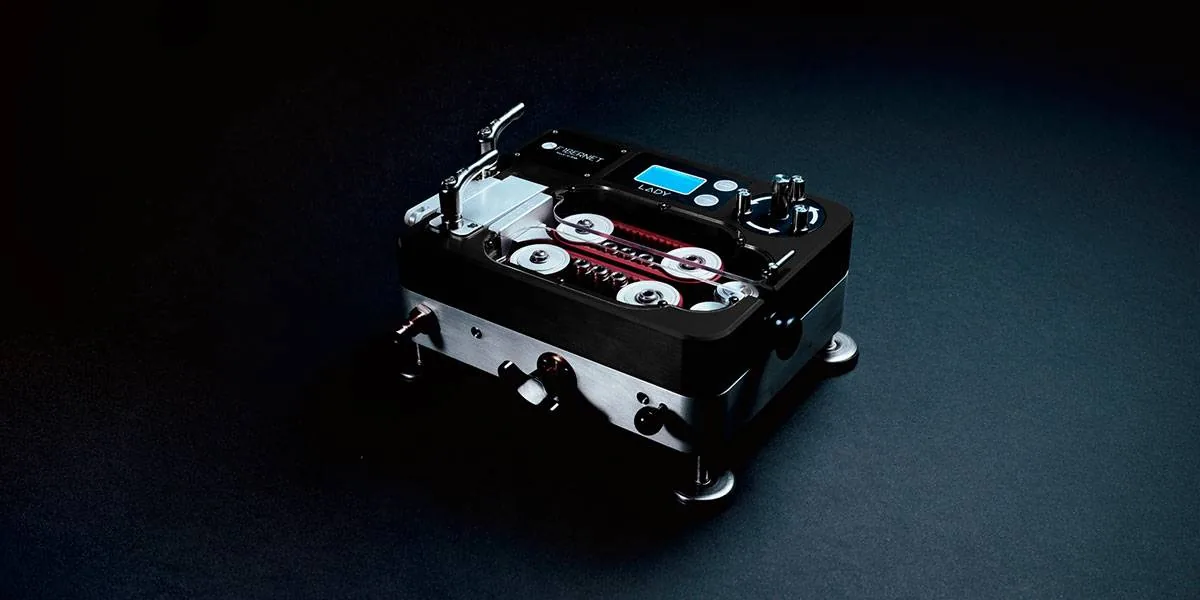
Compact and lightweight
A compact, lightweight machine for short runs.
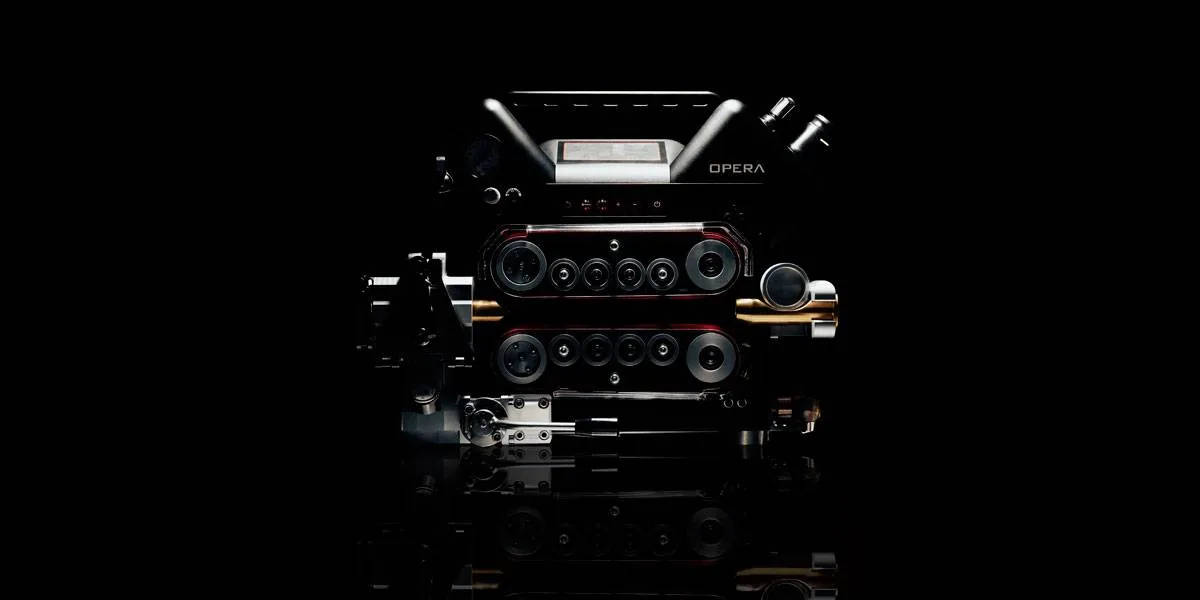
Pneumatic power
A pneumatic machine for long cable runs.
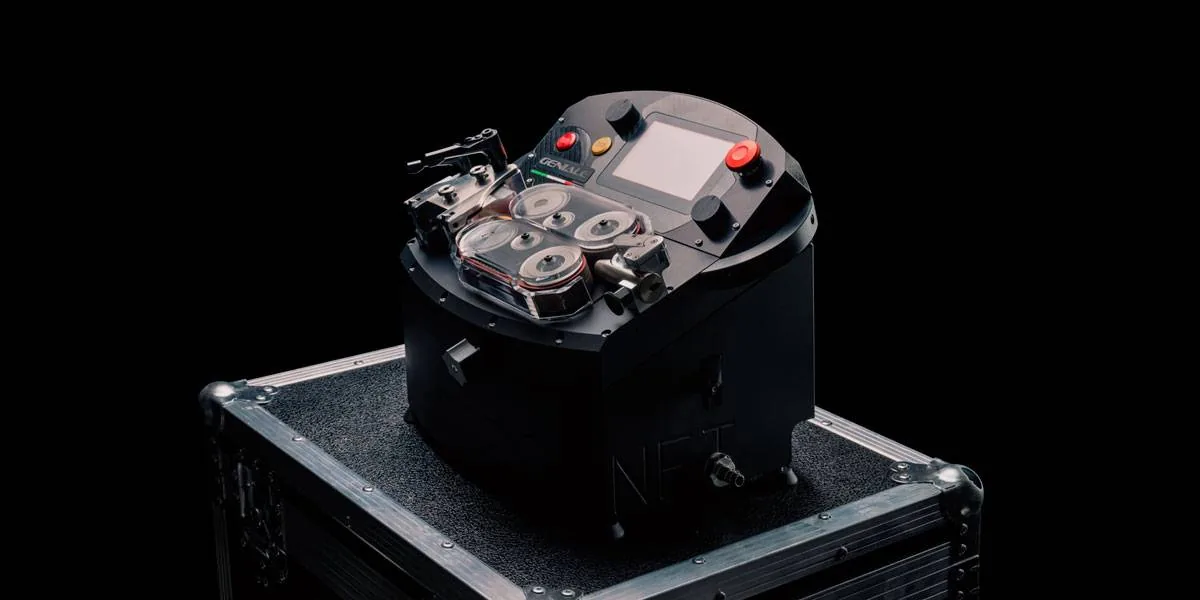
Electric, with two gears
For short and long runs. Two gears let you match force and speed to the job.
Specifications for the Fibernet range. The speeds shown are maximum values. Actual results depend on installation conditions and machine setup.
Direct from the manufacturer
When you’re working on site, you need practical answers. With Fibernet, you speak directly to the people who design and build your cable blowing machine.
Speak to a technicianA specialist technician can help when you need it.
Spare parts ready to ship, direct from the manufacturer.
If your machine breaks down, a replacement may be available within 48 hours.
Check availability and terms with your technician.Get help making the most of your machine, from your very first job.
See it in action before you choose
Request a free hands-on demonstration on your site or at Fibernet’s test facility. Discuss a real job with the technician.
Request a free demonstration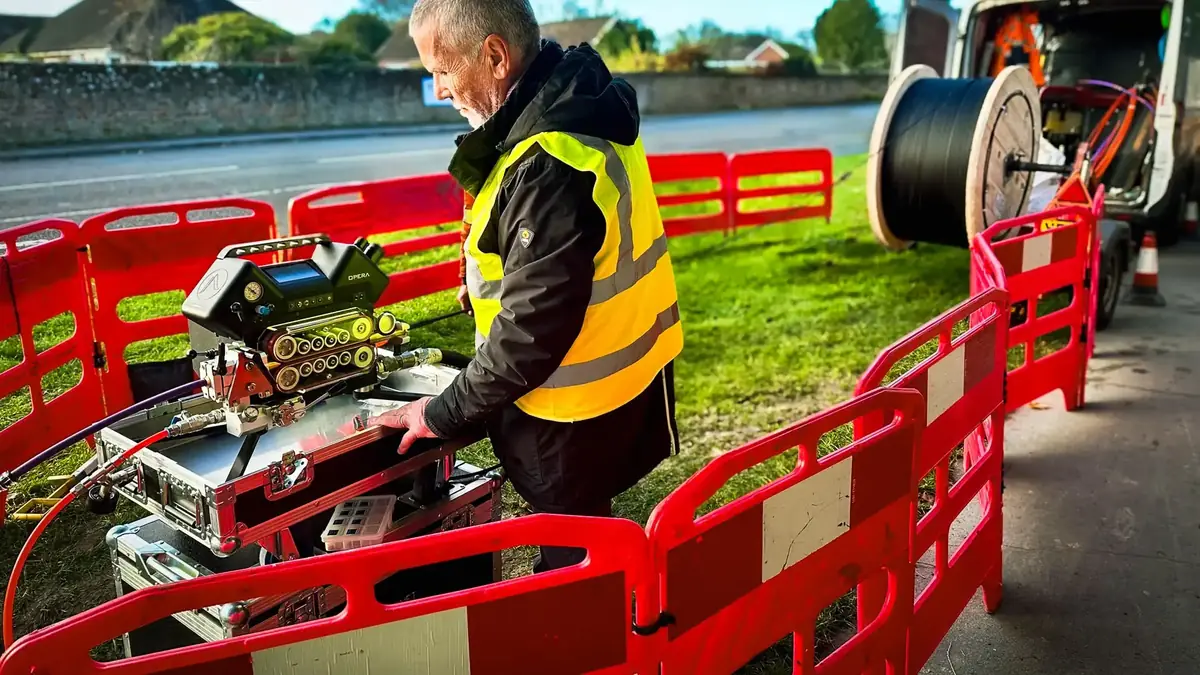
Choosing a battery powered optical fibre cable blowing machine starts with the work your installation team actually performs. For contractors operating in Italy, this may mean moving between roadside access points, preparing short installation sections in confined spaces, or coordinating cable blowing with other activities on an active site. Battery operation can make the drive system less dependent on a nearby electrical socket, but it does not automatically remove the need for compressed air. Before selecting equipment, establish how the proposed machine drives the cable, what air supply it requires, and which accessories are necessary for your particular cable and duct combination. These distinctions help prevent an apparently convenient purchase from becoming an incomplete installation solution. Fibernet provides a direct point of contact for discussing those requirements without relying on assumptions about what a product name implies. A useful enquiry begins with the cable outside diameter, the duct internal diameter, the cable construction and the expected installation environment. Include the approximate route length, the number and severity of bends, and whether the duct is newly installed or already in service. None of these details independently determines the achievable distance, but together they provide a more realistic basis for assessing suitability. Cable stiffness, duct condition, sealing quality and the available compressor also influence results. When comparing a battery powered fibre cable blowing machine with another drive arrangement, consider how the operator will control feeding, monitor resistance and stop the operation when conditions change. Ask which adjustments are available and which cable contact components need changing between jobs. Battery capacity should be assessed against the intended duty cycle rather than interpreted as a universal promise of continuous running time. Charging arrangements, compatible batteries and the practicalities of carrying spare packs should also be clarified before ordering. Equally, anyone researching a battery powered cable blowing machine should check the weight and dimensions of the complete working setup, not just the main unit. Transport cases, air connections, guides and other necessary items can affect how efficiently a team moves between access points. Fibernet introduced its first cable blowing machine, Lady, in 2021, building on the company's established technical background. Contacting the team with a clear installation brief allows the discussion to focus on relevant equipment, confirmed specifications and the scope of supply. The aim is not simply to identify a battery driven option, but to establish whether the proposed configuration fits the cable, duct, working method and site conditions your installers will encounter. This approach gives procurement staff and site supervisors a shared basis for evaluating the proposal before committing to a purchase.
Successful cable blowing depends on the installation system as a whole, rather than the drive source alone. A battery powered optical fibre cable blowing machine must work with a suitable cable, compatible duct, correctly selected seals and an appropriate compressed air supply where required by the equipment design. Begin planning with the machine documentation and the limits specified by the cable and duct manufacturers. Do not treat maximum pressure, maximum pushing force or a published installation distance as a target that every route should achieve. Actual conditions can differ considerably between a straight prepared test section and a roadside route containing several bends, joints or changes in elevation. Before introducing the cable, confirm that the intended duct section is correctly identified, continuous and prepared according to the applicable installation procedure. Investigate suspected restrictions rather than attempting to overcome them by increasing force. Check that connections, seals and any air handling components are compatible with the equipment and rated for the intended operating conditions. Secure the machine and arrange the cable supply so that it can feed smoothly without unnecessary drag or sudden changes in direction. A poorly positioned reel can introduce resistance before the cable even reaches the duct entrance. Operators should be able to observe the feed path and access the controls without reaching across moving components. Establish communication between personnel at the relevant access points, and agree how the operation will be stopped if unexpected resistance or another unsafe condition occurs. During installation, adjust feeding only within the approved operating limits and respond to changing conditions rather than pursuing speed for its own sake. If progress becomes irregular, stop and investigate according to the equipment instructions. Continuing against an unidentified obstruction can damage the cable or compromise the installation. When assessing a pneumatic optical fibre cable blowing machine alongside a battery driven alternative, distinguish the energy used to drive the feeding mechanism from the airflow used within the duct. This prevents misleading comparisons and helps specify the compressor and associated connections correctly. A drill powered optical fibre cable blowing machine introduces another compatibility question: the approved drive tool, control method and connection arrangement must be confirmed rather than assumed. Fibernet can be approached with these practical questions when discussing the most appropriate equipment configuration. After each operation, follow the prescribed isolation procedure before cleaning, inspecting or changing parts. Record the cable and duct sizes, route characteristics, operating settings and any interruptions. Such records support better preparation for similar jobs and help separate equipment issues from route related limitations. A consistent process gives installers a sounder basis for repeatable work than any unsupported claim about universal blowing distances.
A well prepared equipment enquiry connects technical suitability with the commercial realities of running installation teams. Before requesting a battery powered optical fibre cable blowing machine, define the types of work you expect it to handle and identify which requirements are essential rather than merely desirable. A contractor working mainly on frequent short sections may prioritise a different combination of portability, setup time and adjustment flexibility from a team undertaking fewer, longer installation runs. Neither situation justifies selecting equipment from a headline specification alone. Explain the cable and duct combinations you use most often, the compressor already available to your crews and the working conditions that regularly affect access or transport. If several teams will share the equipment, consider how configuration changes, component checks and handovers will be managed. These details can influence the accessories and documentation you need as much as the machine itself. An enquiry about optical fibre cable blowing machine price is most useful when it requests an itemised scope rather than an isolated figure. Ask which guides, seals, connections, transport provisions and power related components are included, and which must be ordered separately. Confirm applicable taxes, delivery charges and the commercial terms relevant to your destination. For buyers in Italy, a clear quotation helps align purchasing decisions with site planning; international customers should also establish shipping arrangements and any destination specific requirements before placing an order. Availability, dispatch timing and support arrangements should be confirmed directly rather than inferred from general product descriptions. Buyers considering a used optical fibre cable blowing machine face additional questions about condition, operating history, missing accessories and the continuing availability of compatible parts. A lower initial outlay does not establish suitability if the equipment cannot accommodate the required cable or cannot be assessed properly before deployment. Apply the same discipline to any proposed purchase: request clear specifications, understand the configuration and check what evidence supports performance claims. Fibernet was founded in 2001 and draws on the technical experience of its founder, Giancarlo Trinei, whose work with optical fibre began during the early installations in Italy in the 1980s. The arrival of Matteo, Marta and Ismael in the business from 2010 marked a generational transition while preserving its family foundations. For equipment buyers, this background provides context for a direct technical conversation, not a substitute for verifying the proposed machine. Share your installation requirements through www.fibernetsrl.com and ask for a proposal that distinguishes confirmed capabilities from conditions that require further assessment. A clearly defined purchase gives your team a practical basis for planning deployment, budgeting for the complete setup and understanding what must be ready before the first installation begins.
Fill in the form and discover what Fibernet Srl can do for you!
Contact us!Before you get started
If you prefer, speak to us directly.
+39 346 652 9915Compare the cable diameter, duct diameter and installation distance. Lady is compact and lightweight for short runs. Opera is pneumatic and designed for long runs. Geniale is electric and handles both. A Fibernet technician can help you choose.
Yes. You can request a free hands-on demonstration on your site or at Fibernet’s test facility. Tell us what you need in the form and a technician will arrange it with you. Request a demonstration.
To get a price, contact a Fibernet adviser using the form or call +39 346 652 9915.
Fibernet offers direct technical support, spare parts ready to ship and dedicated training. If your machine breaks down, a replacement may be available. Ask your technician about availability and terms.
Tell us about your job. We’ll help you find the right cable blowing machine.