Emanuele Zanda
Google review
★★★★★
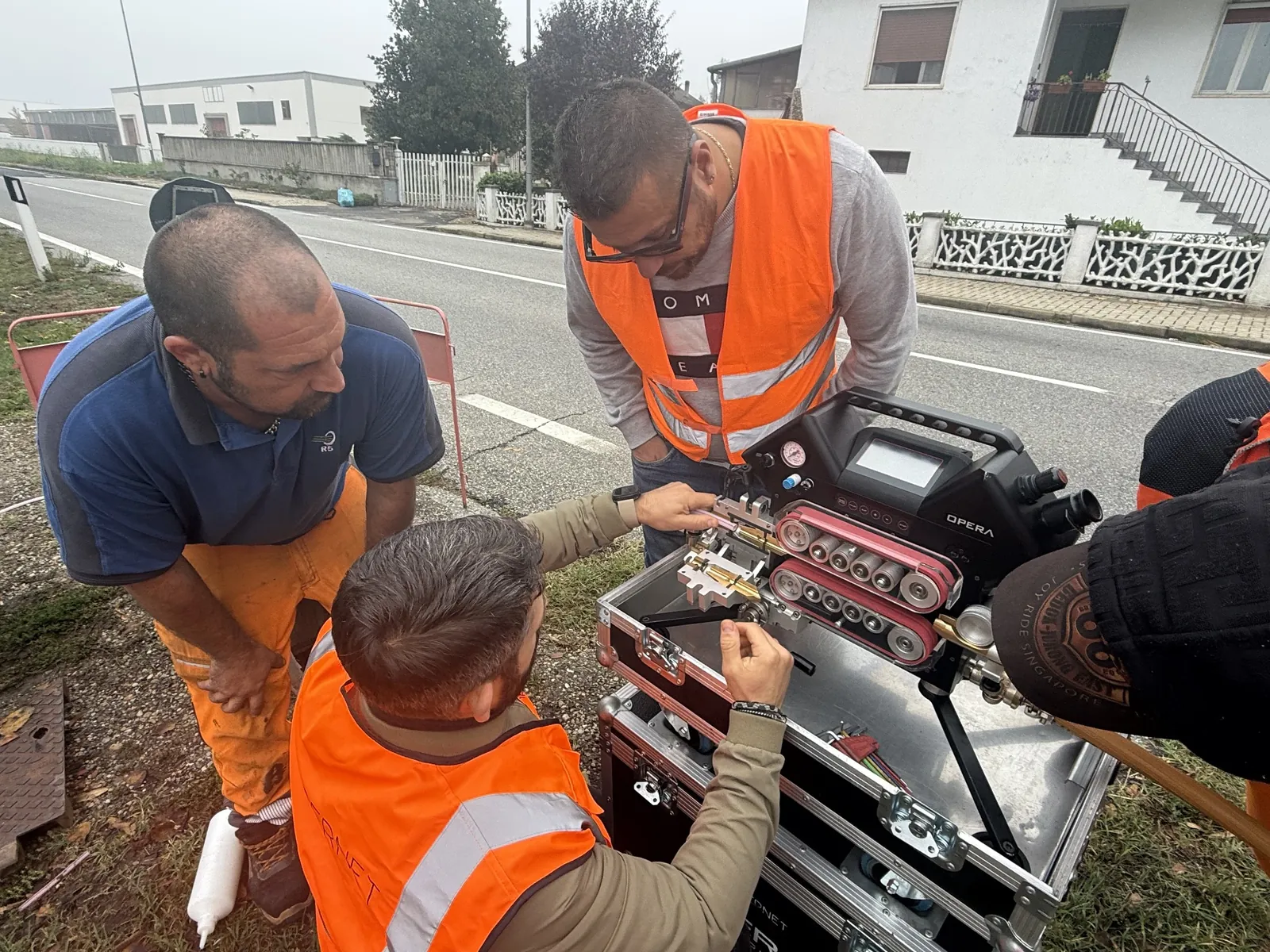
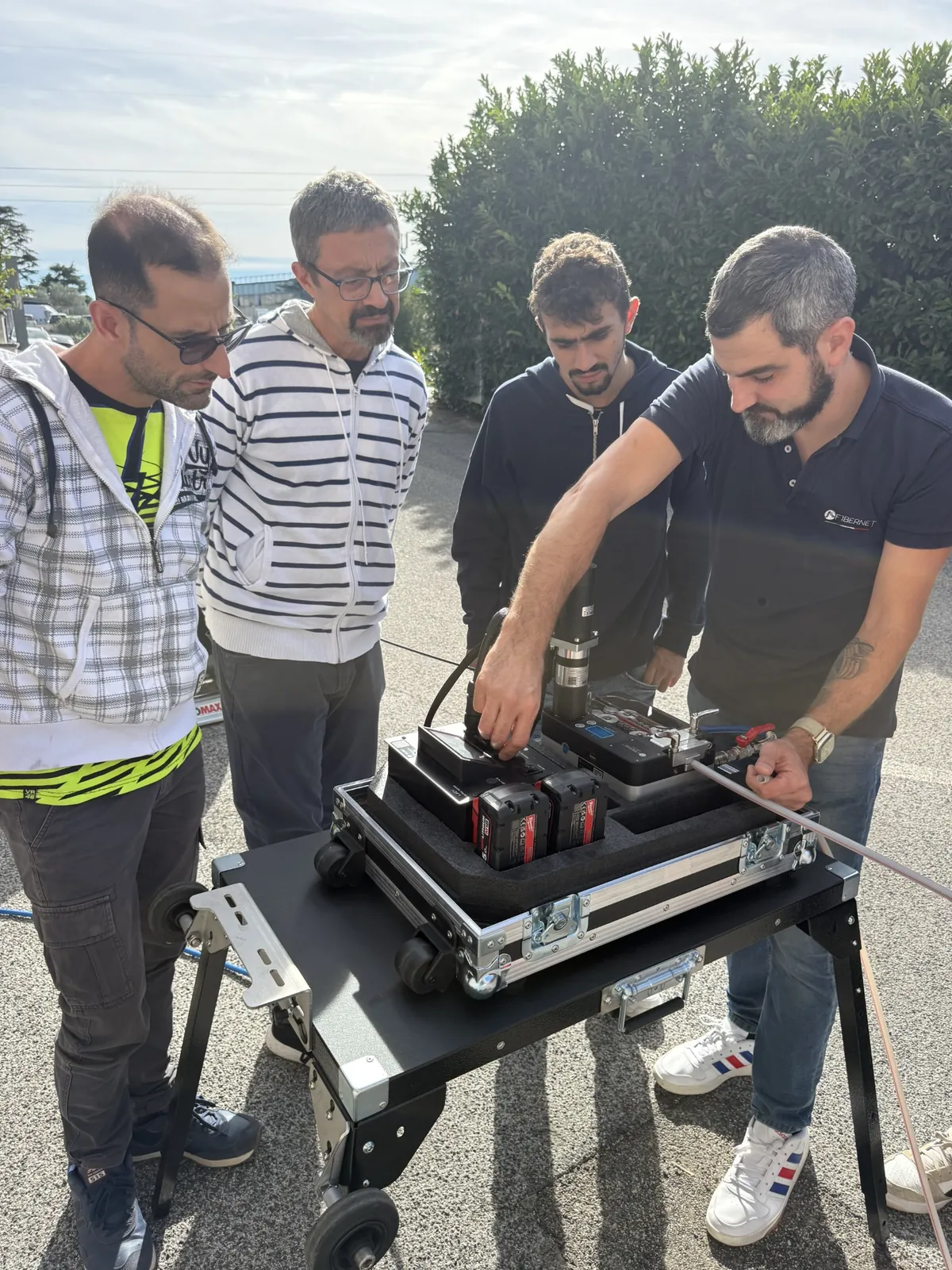
Read on Google“An excellent experience on the installer training course. The whole team was professional and knowledgeable.”
Cable blowing machines · Made in Italy
From last-mile connections to long-distance runs, a Fibernet technician can help you choose the right machine for your fibre optic cable installation.
Opera, image 1 of 3
Expert advice direct from the manufacturer / Free demonstration on request
Some of our customers.
Keep your installation moving with Fibernet cable blowing machines.
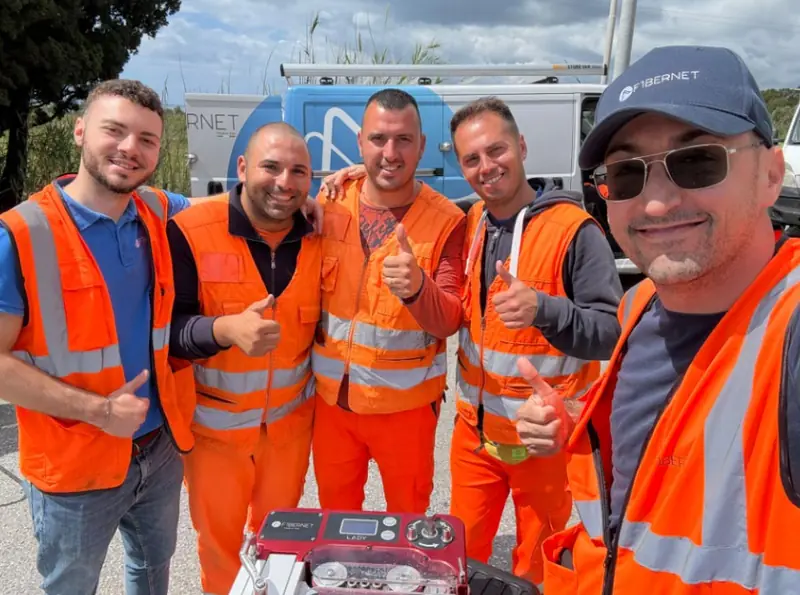
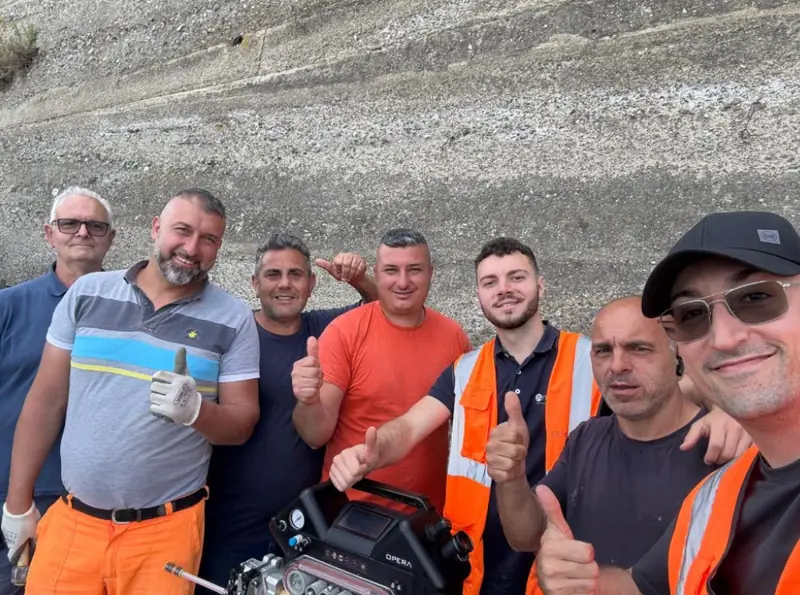
Photos and stories from installers, published by Fibernet.
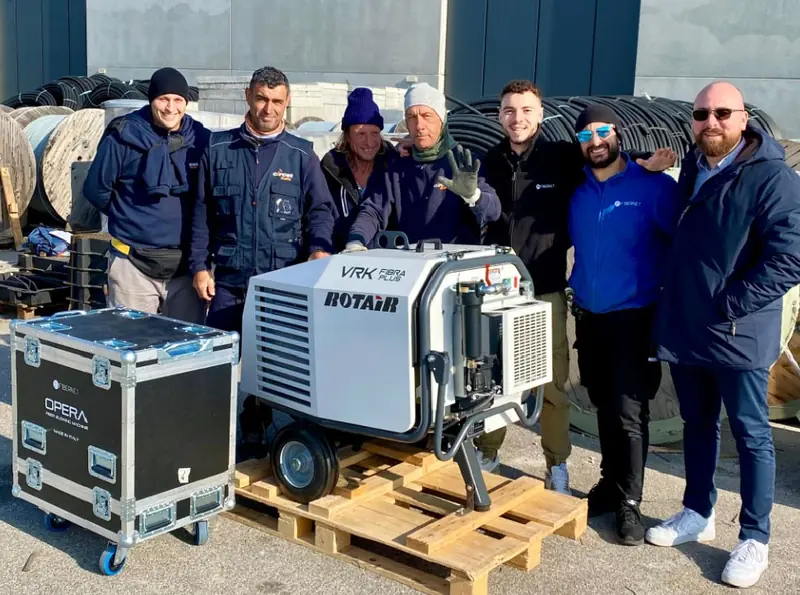
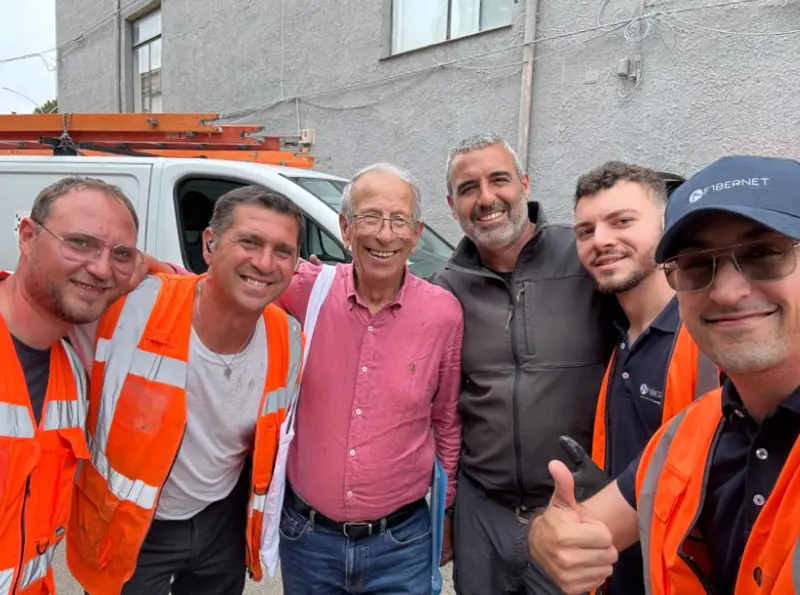
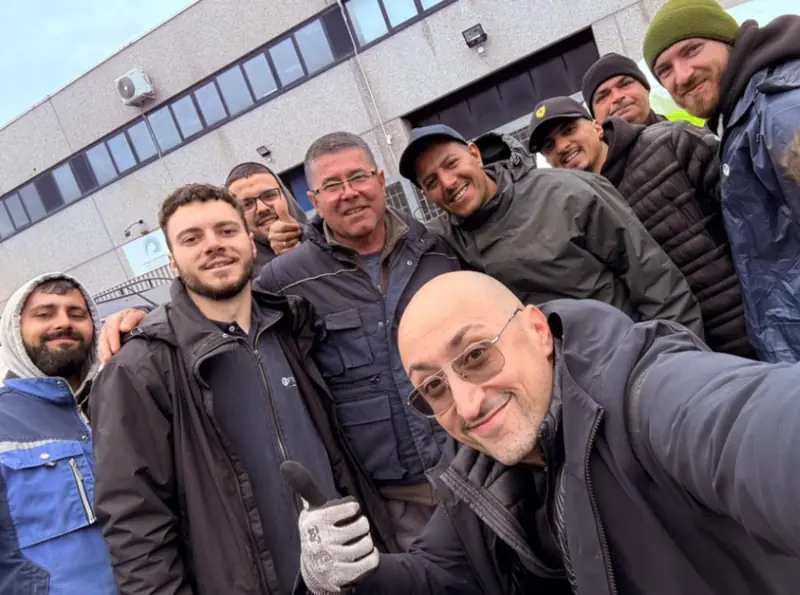
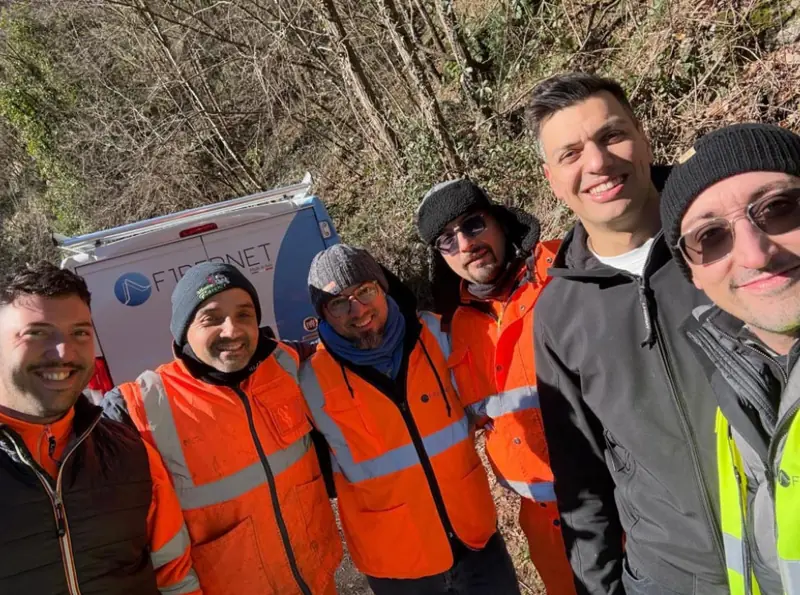 GoogleExcellentBased on 176 reviewsRead the reviews
Read on Google“An excellent experience on the installer training course. The whole team was professional and knowledgeable.”
Read on Google“I had the chance to try the Opera cable blowing machine on site…”
Read on Google“I really enjoyed this course. It took place in a pleasant setting with friendly, helpful people.”
Stories from installers
Hear the results from the installers themselves. Watch their testimonials right here.
Product videos
Three machines. Find your fit.
Start with the job at hand. Our technician can answer your questions about the right setup.
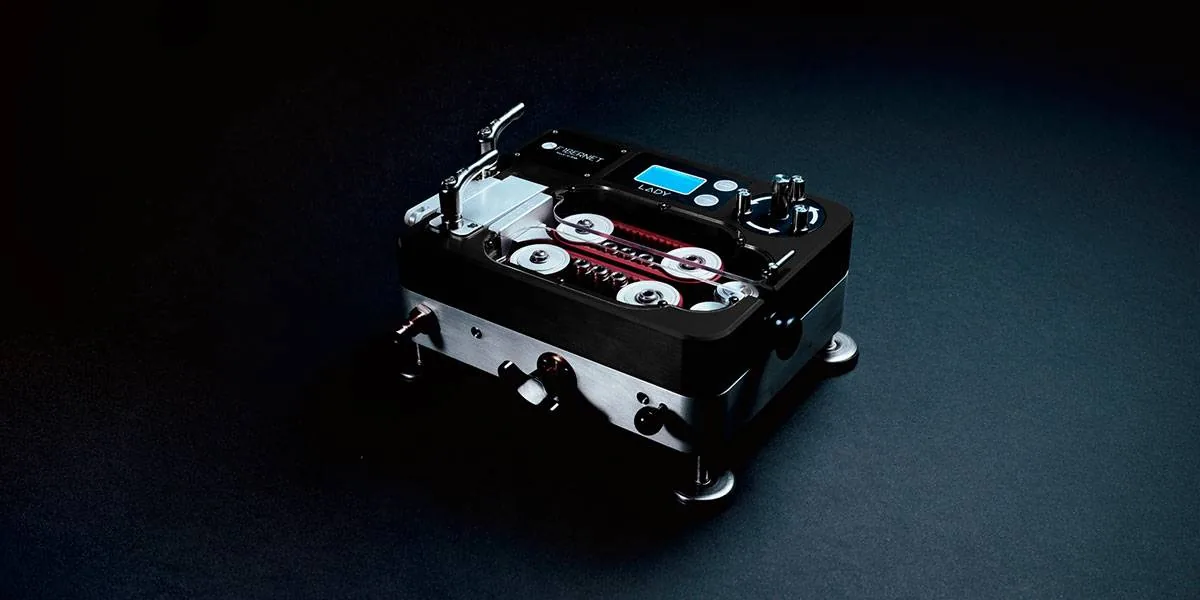
Compact and lightweight
A compact, lightweight machine for short runs.
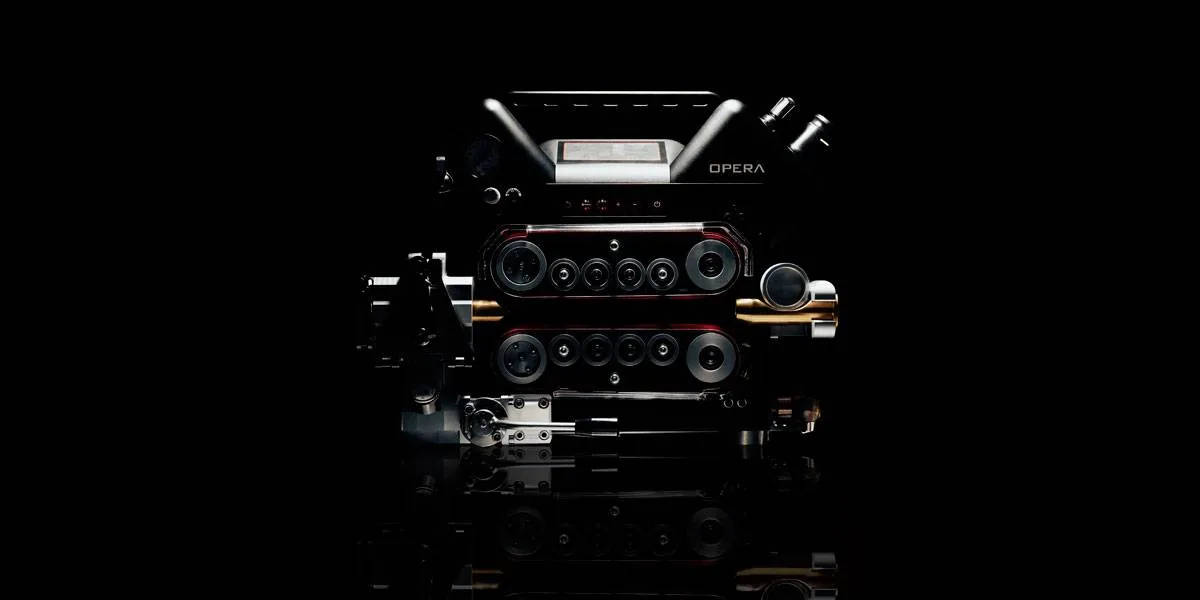
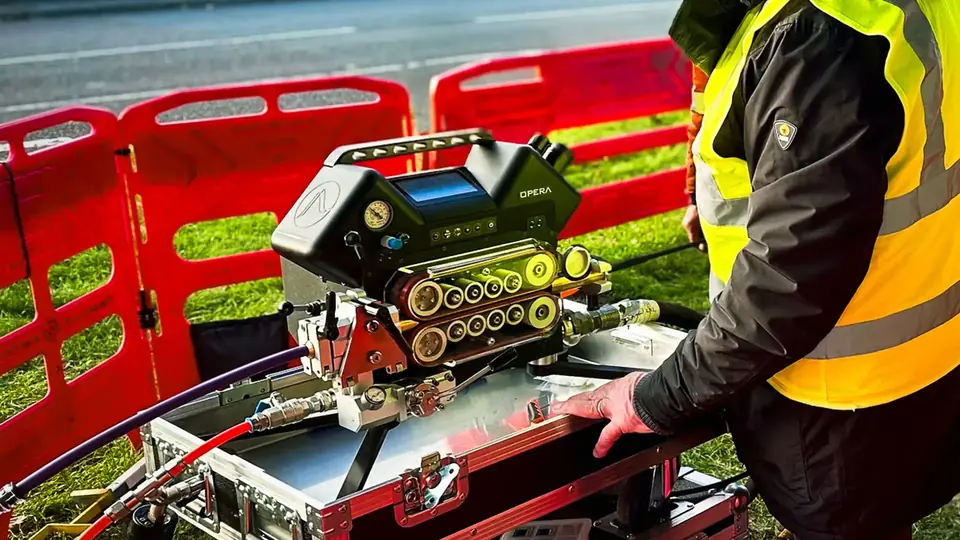
Pneumatic power
A pneumatic machine for long cable runs.
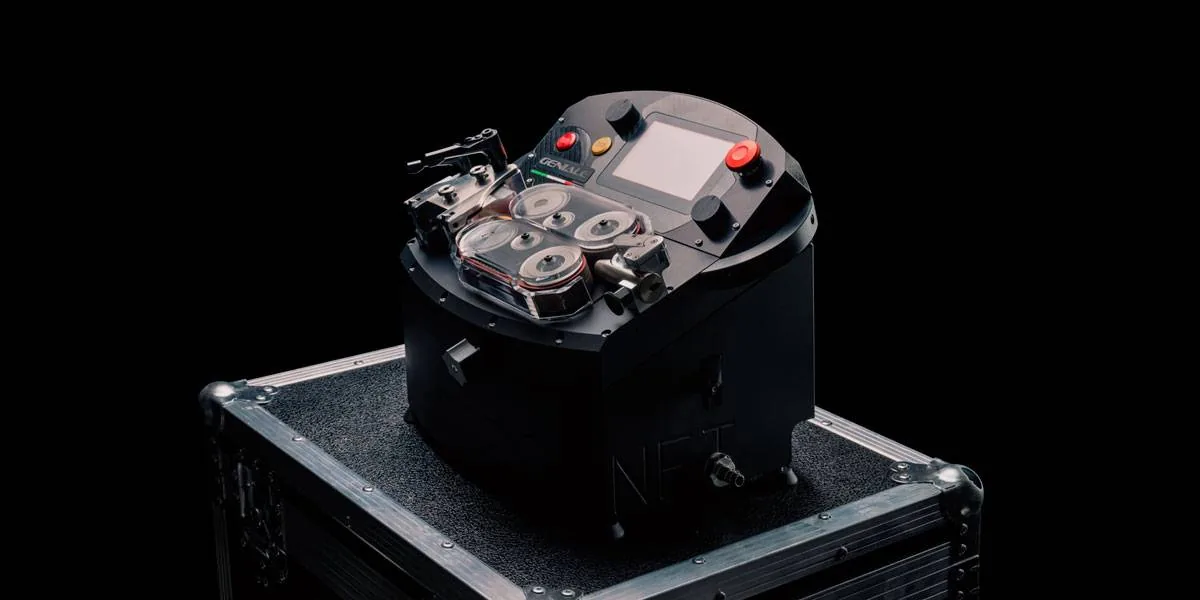
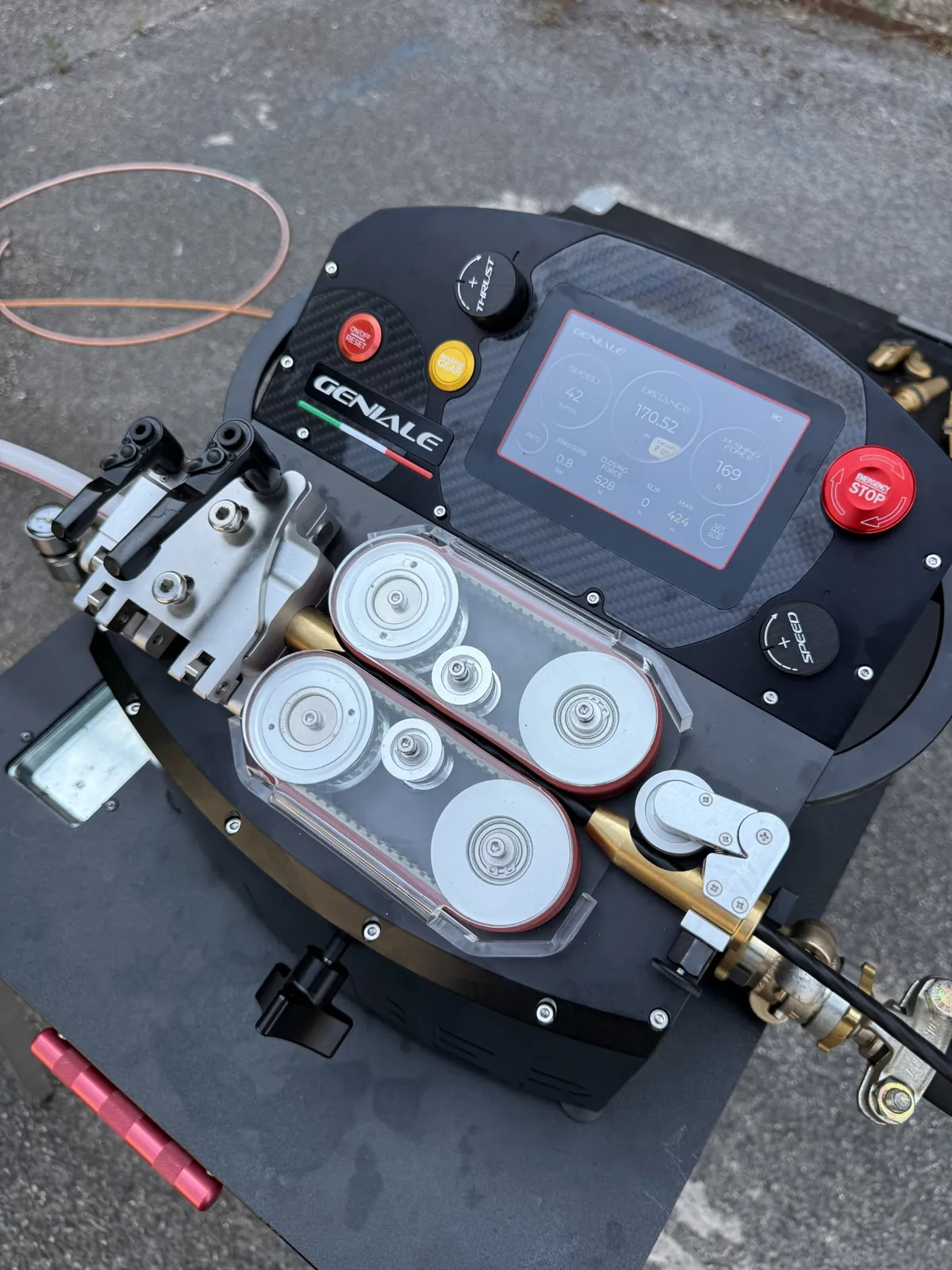
Electric, with two gears
For short and long runs. Two gears let you match force and speed to the job.
Specifications for the Fibernet range. The speeds shown are maximum values. Actual results depend on installation conditions and machine setup.
Direct from the manufacturer
When you’re working on site, you need practical answers. With Fibernet, you speak directly to the people who design and build your cable blowing machine.
Speak to a technicianA specialist technician can help when you need it.
Spare parts ready to ship, direct from the manufacturer.
If your machine breaks down, a replacement may be available within 48 hours.
Check availability and terms with your technician.Get help making the most of your machine, from your very first job.
See it in action before you choose
Request a free hands-on demonstration on your site or at Fibernet’s test facility. Discuss a real job with the technician.
Request a free demonstration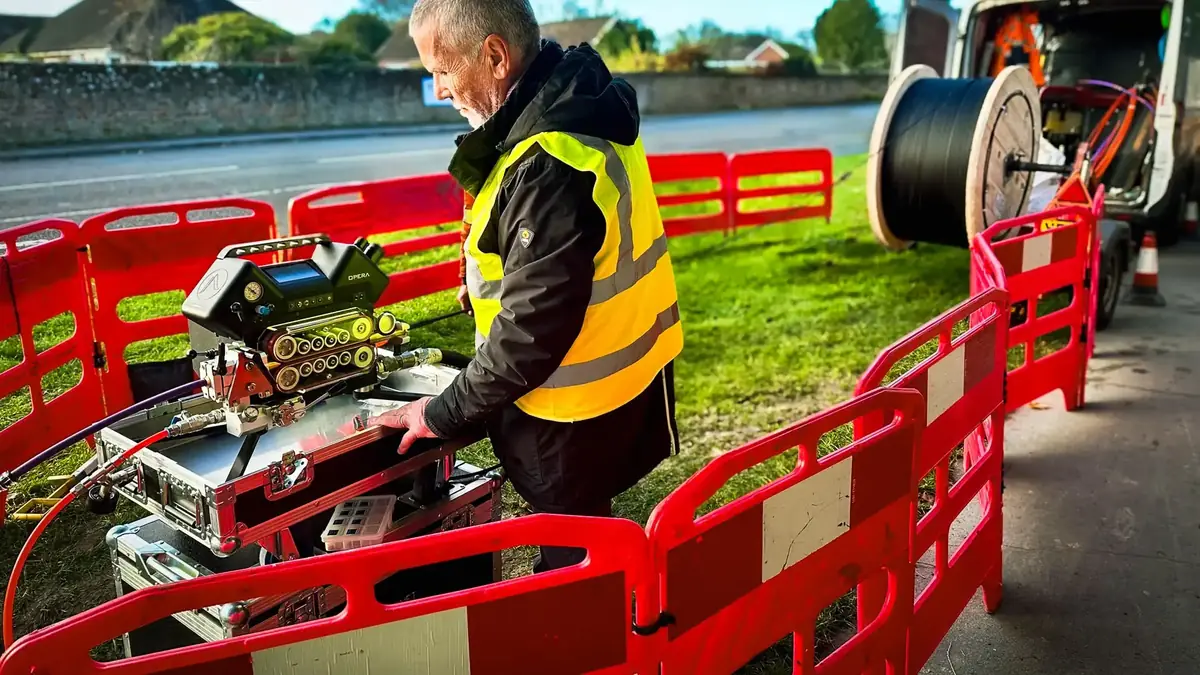
Choosing a battery powered fibre optic cable jetting machine starts with understanding the installation, rather than comparing headline speeds alone. For contractors working on Italian streets, industrial premises or access routes with limited mains electricity, a battery driven feed mechanism can offer practical flexibility. However, battery operation must not be confused with an installation process that requires no compressed air. The power source for the drive and the air supply for cable propulsion perform different functions. Before selecting equipment, establish how the proposed machine combines those functions and what additional equipment your team will need at the worksite. Fibernet can be contacted to discuss these requirements against the machines available, without relying on assumptions about battery compatibility, operating pressure or installation distance. Start your enquiry with the cable outside diameter and the duct internal diameter, including their tolerances where available. These measurements influence the choice of cable guides, sealing components and the suitability of the overall configuration. Cable construction also matters: stiffness, jacket material and the manufacturer's permitted installation forces can affect how the cable behaves under the drive mechanism. A machine should guide and propel the cable without applying unnecessary compression or exceeding the cable supplier's limits. Route information is equally valuable. Several tight bends, changes in elevation or poorly aligned duct joints can make a seemingly short installation more demanding than a longer, straighter run. This is why a battery powered fibre optic cable blower should be evaluated as part of the complete installation arrangement, not as an isolated purchase. Share the expected route length, duct condition and available compressor details when seeking advice. Ask which settings are adjustable, how the operator monitors cable movement and what procedures apply if resistance rises unexpectedly. These questions help establish whether a configuration suits your working methods. Practical handling deserves attention too. Consider access around the duct entrance, the position of the cable drum and whether the equipment can be carried safely between installation points. Check the machine's documented weight and dimensions rather than assuming that every battery operated model is equally portable. For teams working across several locations during a shift, battery availability and charging arrangements should be planned alongside compressor access and transport. Fibernet introduced its first cable blowing machine, Lady, in 2021, building on the company's technical background. Discussing your actual installation conditions with the company provides a more useful starting point than choosing on terminology alone. The aim is a technically appropriate setup that your crew can prepare, operate and maintain with clear expectations about its capabilities and limitations.
A productive blowing operation depends on preparation before the cable enters the duct. With a battery powered fibre optic cable jetting machine, the team should first distinguish the tasks supported by the battery from those dependent on the compressor. Confirm the required battery type, charging method and approved power arrangements for the specific model under consideration. Operating time cannot be inferred from battery capacity alone: drive load, feed speed, ambient conditions and the condition of the battery can all influence the result. Ask for documented information and explain your intended working pattern, especially if crews move frequently between short installation sections. The compressed air supply needs its own assessment. Pressure and airflow are different parameters, and both must be compatible with the machine, duct system and installation procedure. A compressor's advertised maximum pressure does not establish that it will deliver the required airflow under working conditions. Hoses, connectors and air treatment arrangements can also affect the air reaching the machine. When comparing a compressed air fibre optic cable jetting machine with battery driven alternatives, clarify the terminology: a machine may use a battery for its mechanical drive while still relying on compressed air to assist cable movement through the duct. These descriptions are not necessarily mutually exclusive. Preparation should then move to the cable path. Follow the relevant installation procedures to check duct continuity, cleanliness and suitability before blowing. Arrange the cable drum so that the cable can leave it smoothly, without unnecessary bends or uncontrolled movement. Keep the entry path aligned with the machine and verify that guides and seals match the cable and duct dimensions. Incorrect component selection can cause air leakage, poor guidance or excessive friction, undermining performance even when the main equipment is suitable. During operation, the crew should follow the machine manufacturer's instructions for setting feed force, adjusting speed and responding to changes in resistance. Increasing pressure or pushing harder is not a universal remedy for a stalled cable. Stop and investigate within the prescribed procedure if the cable stops progressing normally. Possible causes include route restrictions, unsuitable setup or a problem with cable payout. A useful purchasing discussion therefore includes more than maximum figures. Ask how adjustments are made, which consumable parts require inspection and what information is available for routine care. For an electric fibre optic cable jetting machine, also establish the permitted power supply arrangement rather than assuming compatibility with equipment already on site. Fibernet welcomes enquiries based on real cable, duct and route data, helping prospective customers frame the technical questions that matter before requesting a proposal. This approach supports more informed equipment selection and more realistic planning for each installation.
When requesting a proposal for a battery powered fibre optic cable jetting machine, define what must be included before comparing totals. The machine itself is only one part of an operational setup. Depending on the configuration, your team may also need size specific guides, duct connections, seals, approved batteries, charging equipment or compatible air connections. Ask the supplier to identify the exact scope of supply and distinguish standard components from optional items. This makes quotations easier to compare and reduces the risk of discovering missing essentials shortly before an installation. A useful specification describes both today's work and foreseeable changes. If your crews handle several cable diameters, establish which adjustment or conversion procedures are required between them. Ask whether different components are needed, how they are identified and which compatibility limits apply. Avoid assuming that a broad product category guarantees suitability for every cable construction or duct size. For international customers, commercial details deserve the same attention as technical ones. Fibernet is an Italian company founded in 2001, with a technical heritage rooted in Giancarlo Trinei's experience of early fibre installations in Italy. Its development of cable blowing equipment reflects an ambition to serve professional installers internationally. Customers evaluating an order for delivery outside Italy should request confirmation of the proposed shipping arrangements, documentation, delivery terms and any destination specific requirements. Availability and lead times should be checked for the actual configuration being quoted rather than inferred from a general product description. When assessing fibre optic cable jetting machine price, look beyond the initial purchase amount. Consumable replacement, component availability, maintenance requirements and the cost of downtime all influence ownership. Request information about recommended inspection routines, replacement parts and the support available for the selected machine. Clear documentation is particularly useful when equipment moves between crews or project locations, because operators need consistent instructions rather than informal assumptions. A used fibre optic cable jetting machine requires additional scrutiny. Its operating history, component wear, completeness and documented condition can materially affect its value. Battery condition and the availability of compatible replacements also deserve investigation where relevant. A lower purchase figure is not automatically a saving if essential accessories or repairs must be arranged afterwards. These considerations do not imply that Fibernet supplies used equipment; they provide a framework for comparing the options you may encounter. To begin a focused conversation with Fibernet, prepare your cable and duct dimensions, typical route conditions, intended workload and delivery destination. Include any constraints on transport, power access or existing compressor equipment. With that information, you can request a proposal whose technical scope and commercial terms are easier to evaluate against the work your team actually performs.
Fill in the form and discover what Fibernet Srl can do for you!
Contact us!Before you get started
If you prefer, speak to us directly.
+39 346 652 9915Compare the cable diameter, duct diameter and installation distance. Lady is compact and lightweight for short runs. Opera is pneumatic and designed for long runs. Geniale is electric and handles both. A Fibernet technician can help you choose.
Yes. You can request a free hands-on demonstration on your site or at Fibernet’s test facility. Tell us what you need in the form and a technician will arrange it with you. Request a demonstration.
To get a price, contact a Fibernet adviser using the form or call +39 346 652 9915.
Fibernet offers direct technical support, spare parts ready to ship and dedicated training. If your machine breaks down, a replacement may be available. Ask your technician about availability and terms.
Tell us about your job. We’ll help you find the right cable blowing machine.