Emanuele Zanda
Google review
★★★★★
Read on Google“An excellent experience on the installer training course. The whole team was professional and knowledgeable.”
Cable blowing machines · Made in Italy
From last-mile connections to long-distance runs, a Fibernet technician can help you choose the right machine for your fibre optic cable installation.
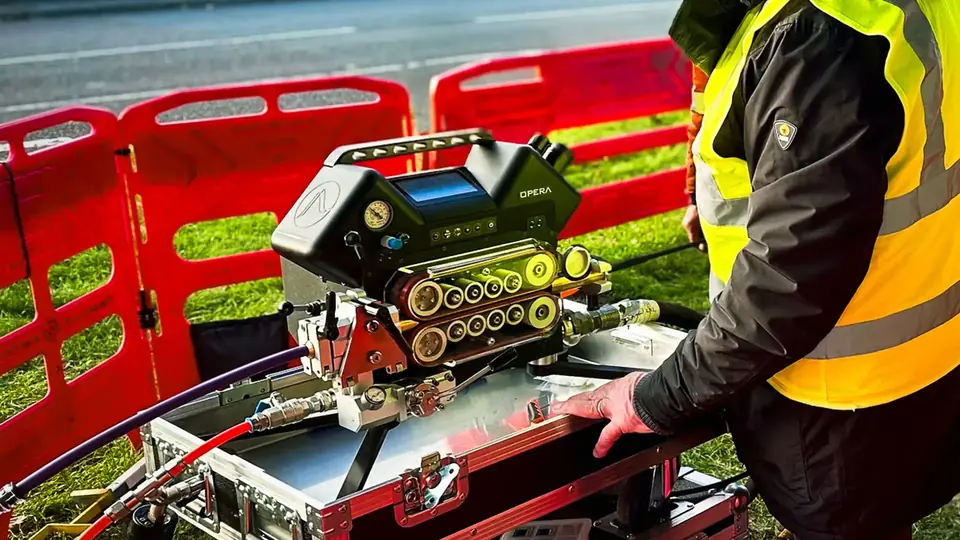
Opera, image 1 of 3
Expert advice direct from the manufacturer / Free demonstration on request
Some of our customers.
Keep your installation moving with Fibernet cable blowing machines.
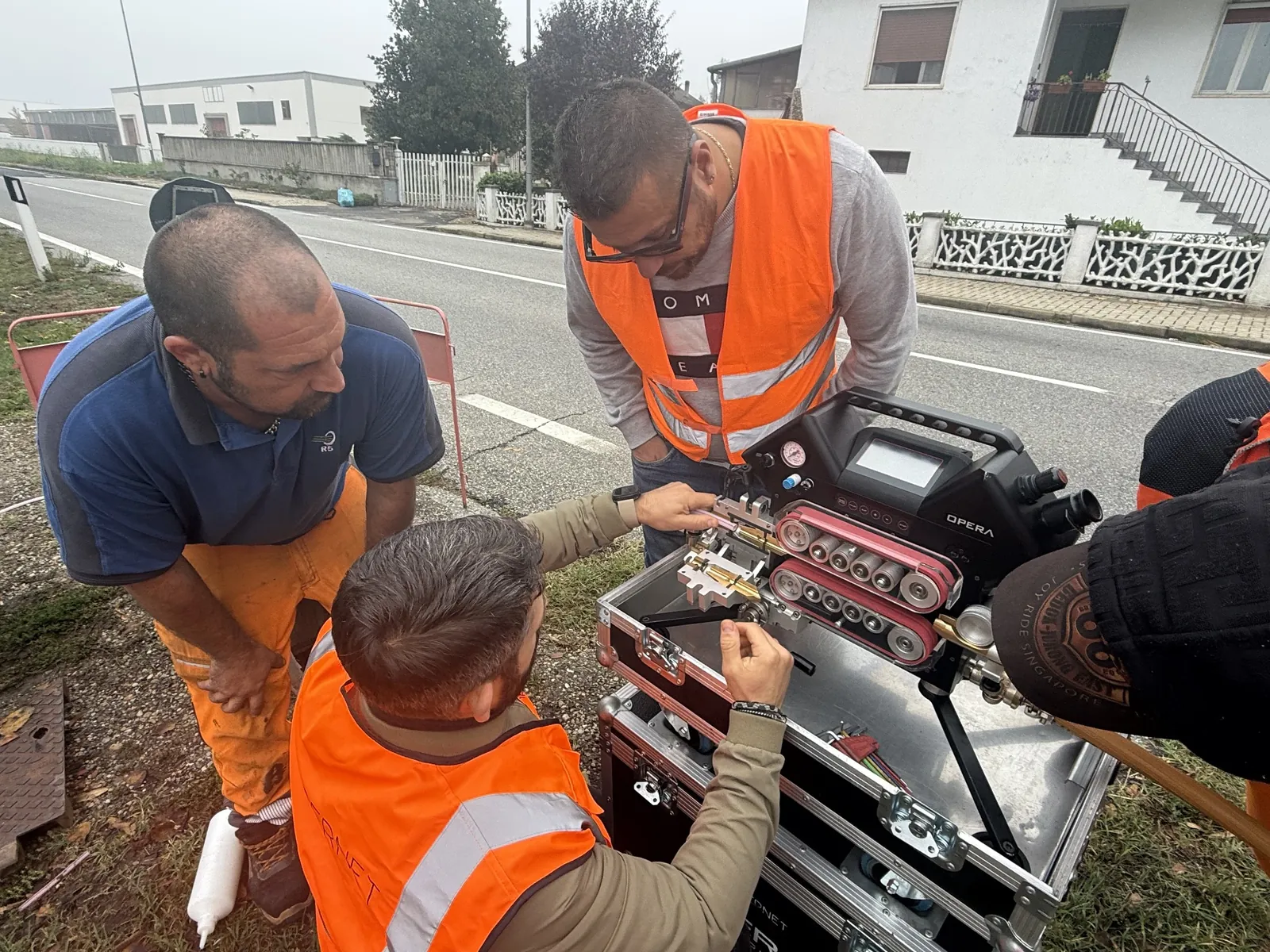
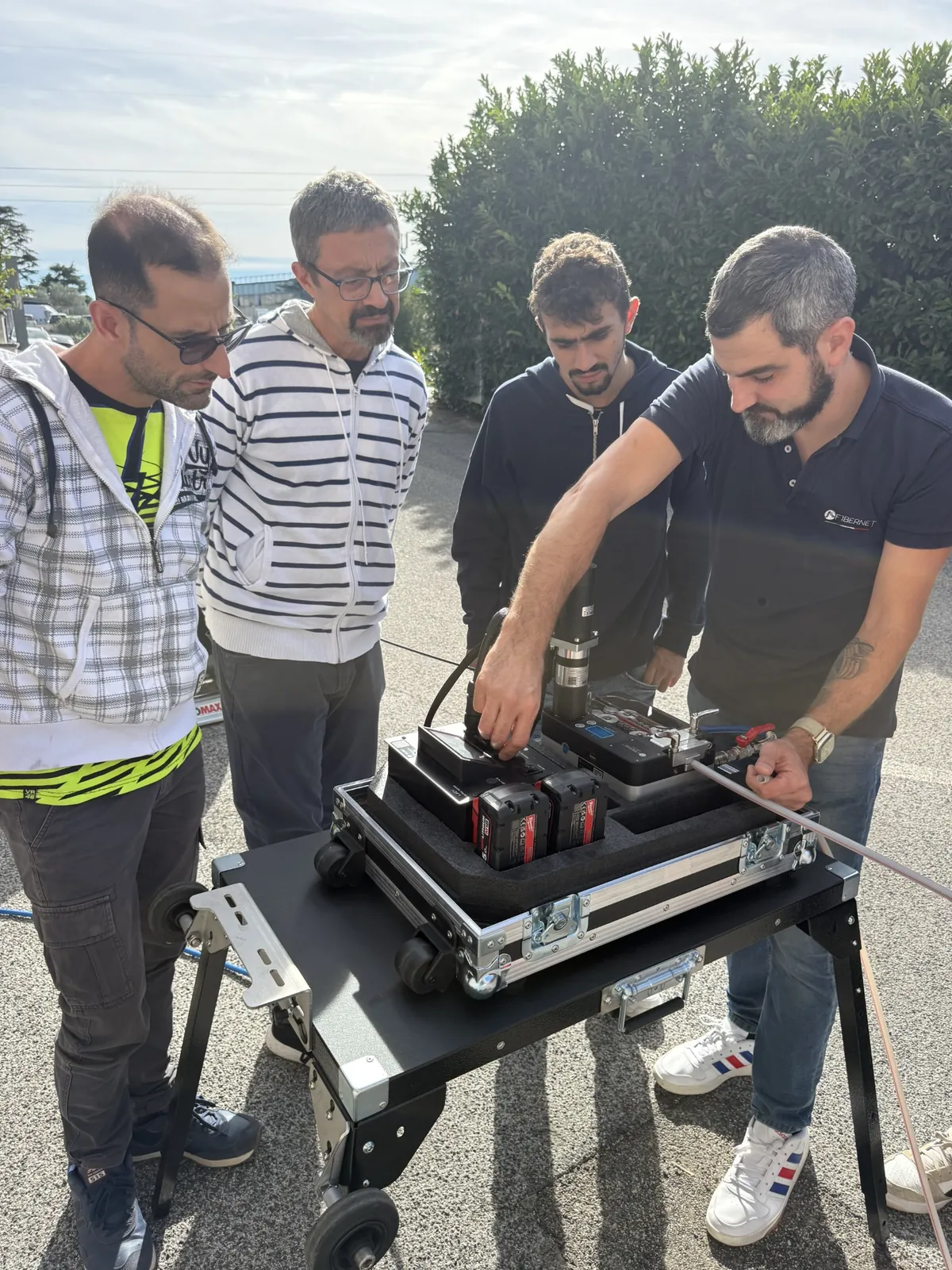
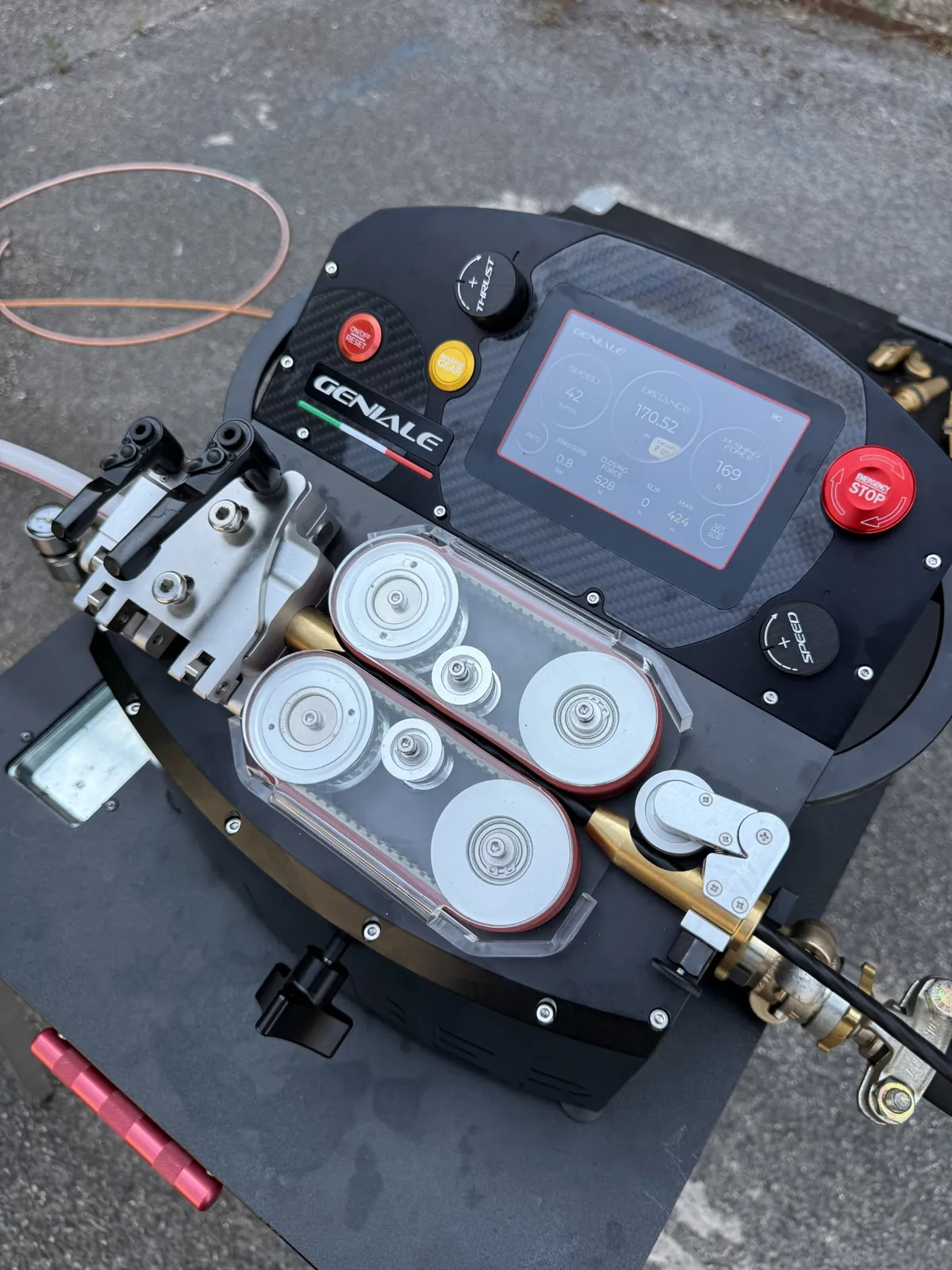
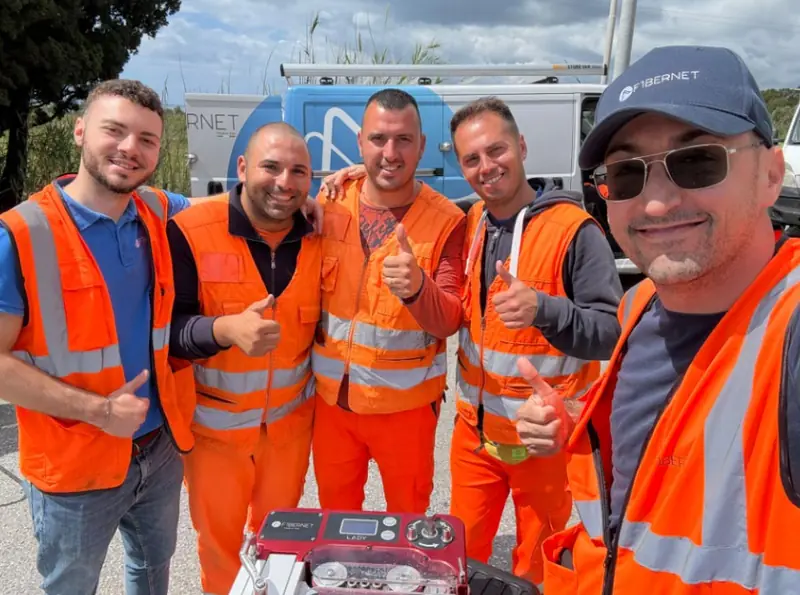
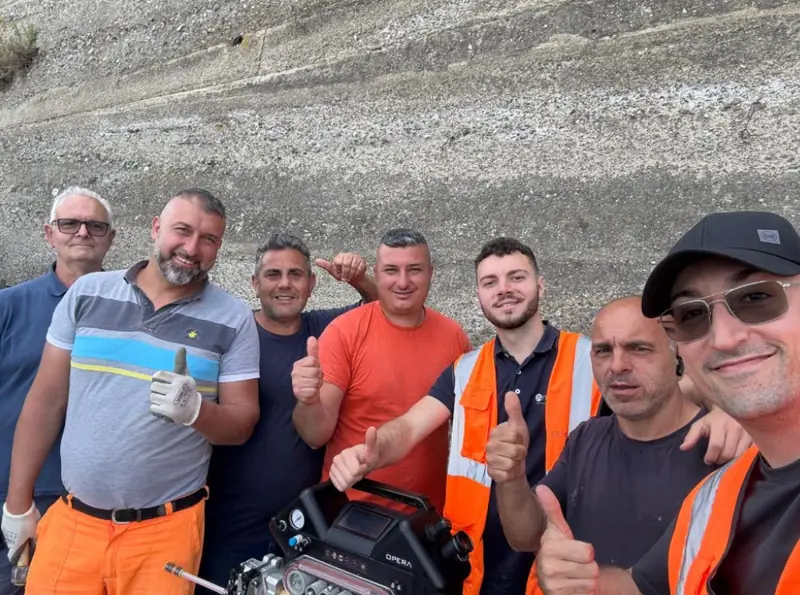
Photos and stories from installers, published by Fibernet.
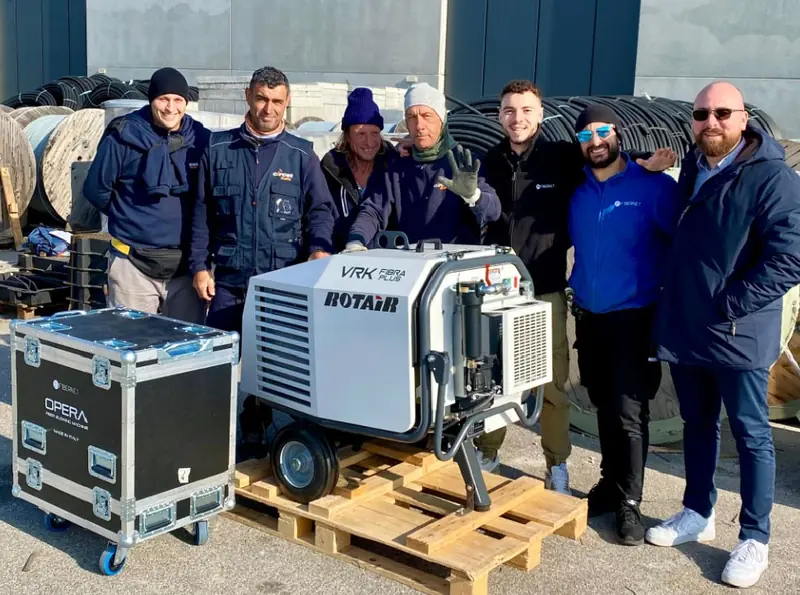
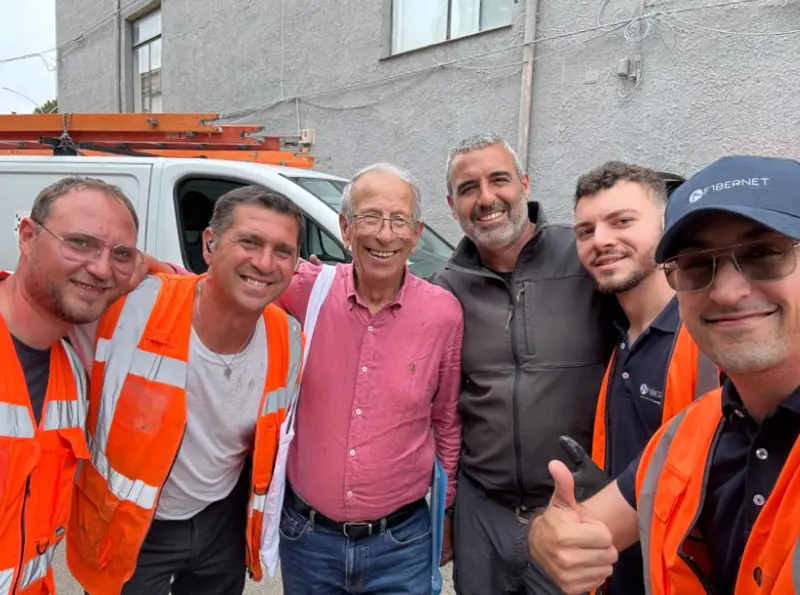
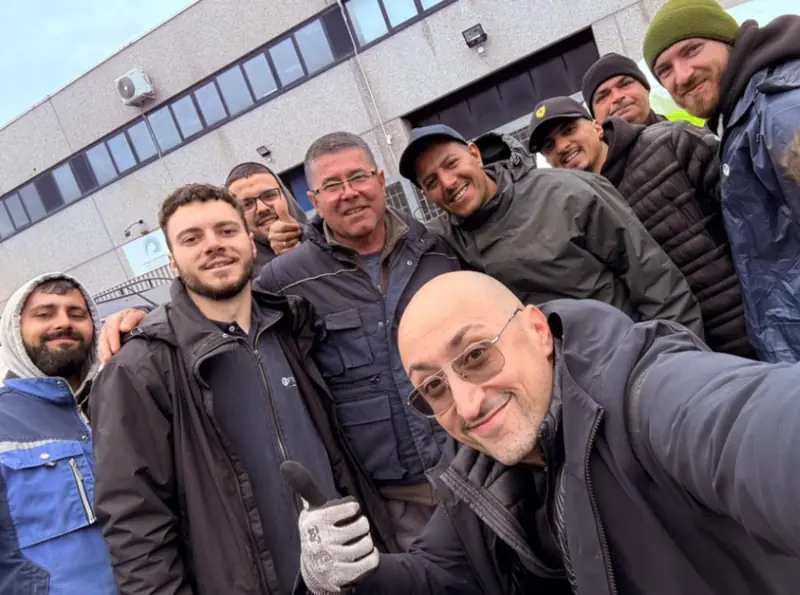
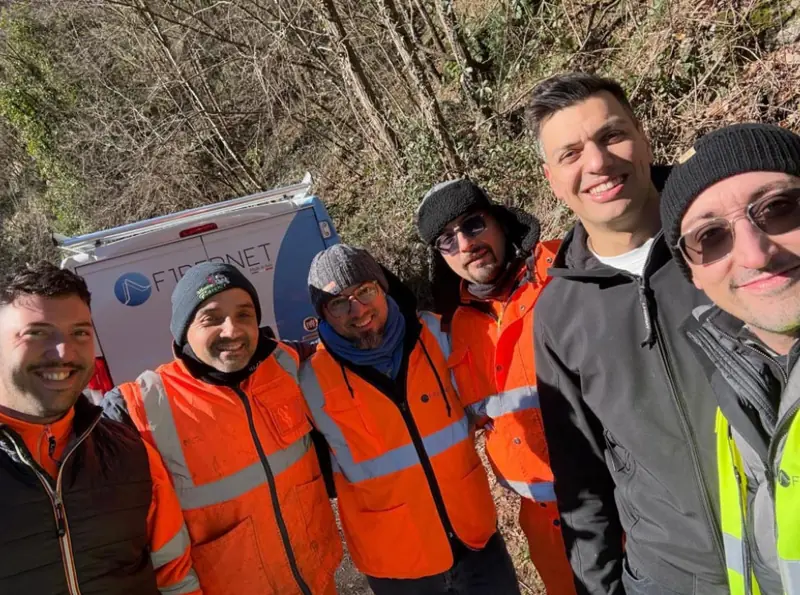 GoogleExcellentBased on 176 reviewsRead the reviews
Read on Google“An excellent experience on the installer training course. The whole team was professional and knowledgeable.”
Read on Google“I had the chance to try the Opera cable blowing machine on site…”
Read on Google“I really enjoyed this course. It took place in a pleasant setting with friendly, helpful people.”
Stories from installers
Hear the results from the installers themselves. Watch their testimonials right here.
Product videos
Three machines. Find your fit.
Start with the job at hand. Our technician can answer your questions about the right setup.
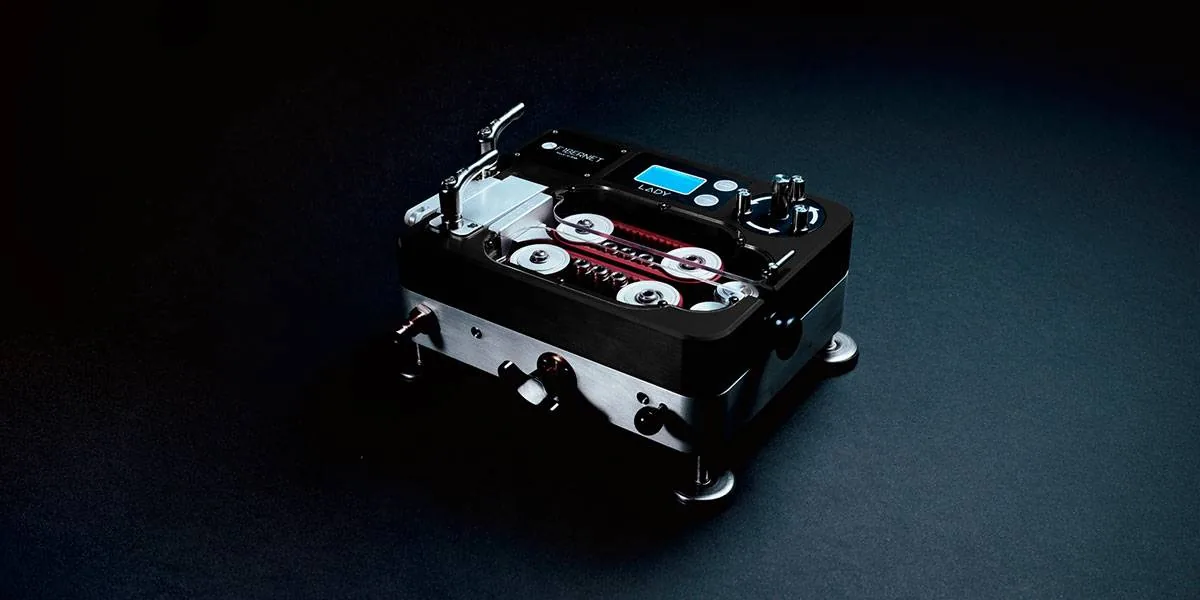
Compact and lightweight
A compact, lightweight machine for short runs.
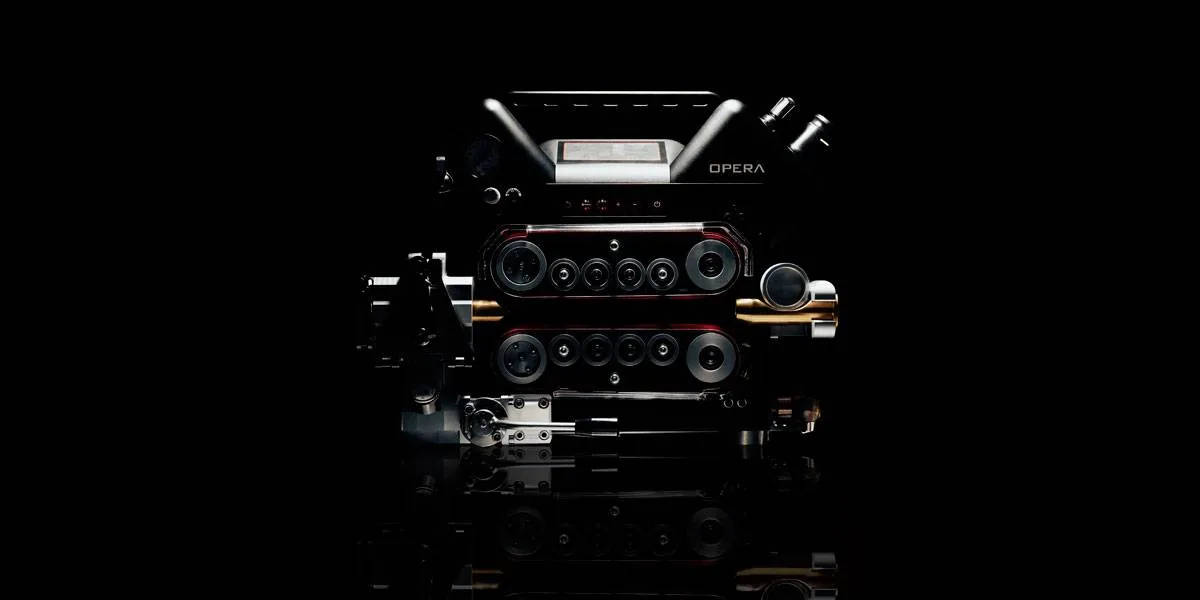
Pneumatic power
A pneumatic machine for long cable runs.
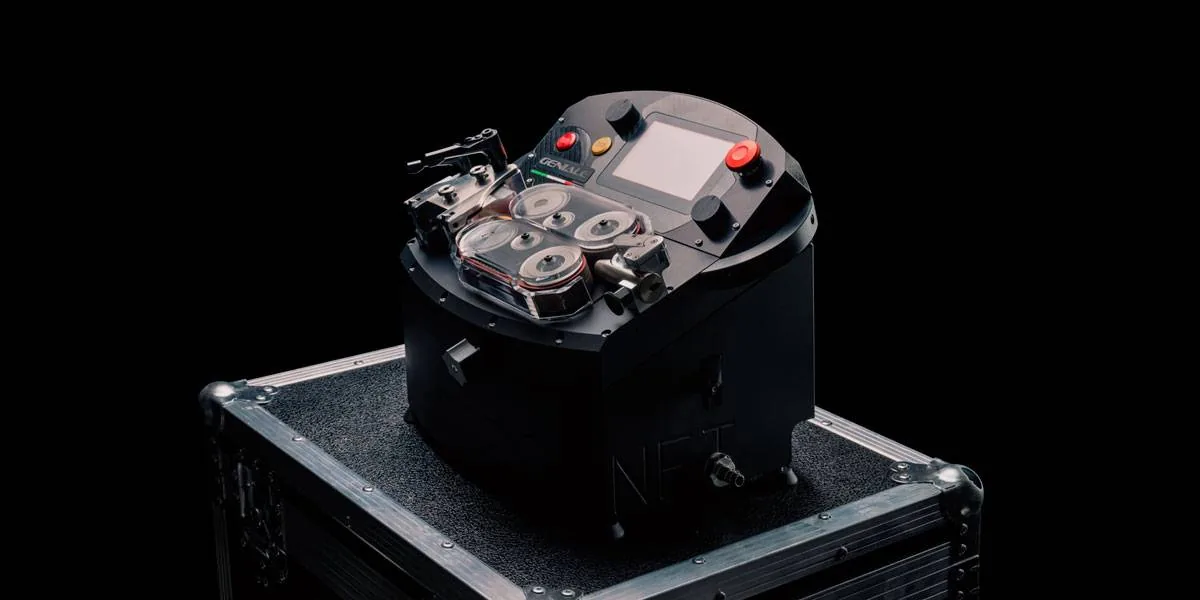
Electric, with two gears
For short and long runs. Two gears let you match force and speed to the job.
Specifications for the Fibernet range. The speeds shown are maximum values. Actual results depend on installation conditions and machine setup.
Direct from the manufacturer
When you’re working on site, you need practical answers. With Fibernet, you speak directly to the people who design and build your cable blowing machine.
Speak to a technicianA specialist technician can help when you need it.
Spare parts ready to ship, direct from the manufacturer.
If your machine breaks down, a replacement may be available within 48 hours.
Check availability and terms with your technician.Get help making the most of your machine, from your very first job.
See it in action before you choose
Request a free hands-on demonstration on your site or at Fibernet’s test facility. Discuss a real job with the technician.
Request a free demonstration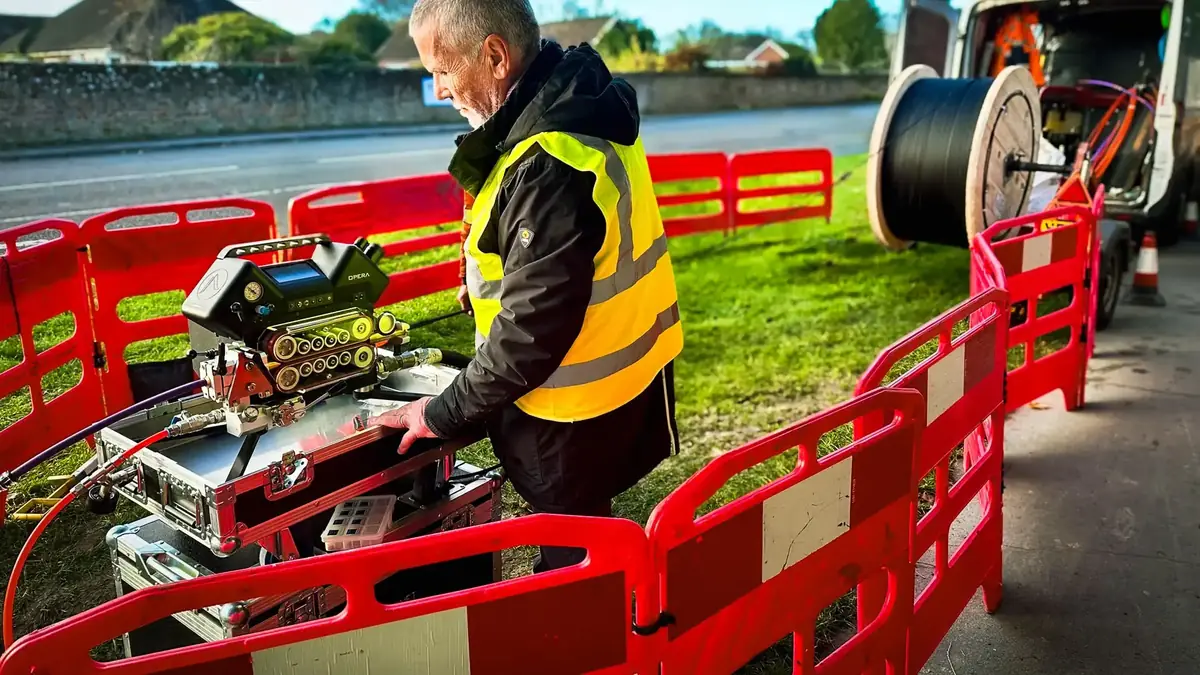
Choosing a battery powered fiber blowing machine begins with the conditions your installation team actually faces, rather than a headline performance figure. Cable diameter, duct internal diameter, route length, changes of direction and the condition of the installed duct all influence the result. A machine must suit the cable and duct combination, while its drive arrangement must provide controlled assistance without subjecting the cable to excessive mechanical stress. For contractors working across Italy or coordinating projects internationally, discussing these details before selecting equipment helps establish a realistic technical brief and avoids comparing machines that serve different applications. Fibernet provides a point of contact for companies assessing cable blowing equipment against practical site requirements. A useful starting point is to supply the cable manufacturer's installation limits, the duct dimensions and a description of the intended route. Include any known restrictions, such as limited space around the entry point, frequent movement between access chambers or difficulties positioning the cable drum. These details help frame questions about machine dimensions, mounting, cable guidance, compatible sealing components and the availability of suitable accessories. When considering a battery powered fiber cable blowing machine, clarify exactly which functions draw energy from the battery and which supporting services remain necessary. Battery operation should not be confused with a complete installation system that needs no compressed air. Confirm the air supply requirements, connection arrangements and operating limits for the specific model under consideration. Ask also how battery capacity, charging arrangements and the anticipated duty cycle affect the working day. None of these points should be inferred from the product category alone. Preparation remains essential once equipment reaches the site. The duct should be assessed for continuity, cleanliness and suitability for the planned operation, following the relevant procedures and component manufacturers' guidance. Cable payout needs attention too: a badly positioned drum or an obstructed cable path can create resistance before the cable even enters the machine. Operators should understand the machine controls, recognise abnormal resistance and know how to stop the operation safely. When comparing a battery powered fibre blowing machine with another configuration, concentrate on the complete working arrangement rather than portability alone. Consider how the team transports equipment, places it securely, protects connections and changes consumable parts between installations. Request documented specifications and an explanation of the intended operating procedure before making a purchasing decision. This approach keeps the discussion centred on measurable compatibility and usable equipment. It also gives Fibernet a clearer basis for discussing your application, identifying information still needed and preparing a relevant commercial proposal without relying on assumptions about achievable installation distances or daily productivity.
Fibernet was established in 2001, building on the technical experience of founder Giancarlo Trinei, whose work with optical cable installations began in Italy in the early 1980s. His background includes participation in the installation and testing of early submarine cables in the country on behalf of the telecommunications ministry. That experience provides context for the company's emphasis on practical engineering and the needs of the people using its equipment. In 2021, Fibernet launched its first cable blowing machine, Lady, marking a significant step in the development of its machine offering. For a buyer investigating a battery powered fiber blowing machine, this history is useful background, but equipment selection should still rest on documented suitability for the intended work. A productive conversation with the manufacturer connects engineering experience to specific installation questions. How is the cable guided into the drive area? Which components must match the cable diameter? What checks are required before admitting compressed air? How are adjustments made, and what information is available to help operators recognise an unsuitable setup? These questions reveal more about day-to-day usability than broad claims about innovation. They also help distinguish verified features from expectations that need further confirmation. Fibernet's development has remained connected to its founding family. Matteo, Marta and Ismael joined the business during the generational transition that began in 2010, preserving continuity while supporting a new phase of growth. Under CEO Matteo Trinei, the stated ambition is to develop the company into an internationally recognised Italian business. For customers, the relevant outcome is a focused discussion about the machine, its intended application and the practical requirements surrounding supply. If your specification calls for a battery powered fiber optic cable blowing machine, describe the work rather than relying solely on that label. Explain whether the equipment will move repeatedly between short installation sections, work from a relatively fixed position or support crews handling several cable dimensions. Ask which configurations are available and request confirmation of the precise equipment included in the proposed supply. Companies seeking Italian-made equipment for projects abroad should also establish manufacturing origin, destination availability, documentation and shipping arrangements during the quotation process. This is particularly important when local requirements, battery transport conditions or electrical charging arrangements could affect delivery and use. A drill powered fiber blowing machine may also arise during the assessment, but its suitability must be checked against the same operational brief rather than assumed from its power source. By keeping the discussion specific, buyers can evaluate Fibernet's proposal on technical fit, clarity of scope and the support arrangements confirmed for their destination. The result is a purchasing process grounded in the actual installation task, with fewer unresolved questions left until equipment arrives on site.
A meaningful quotation for a battery powered fiber blowing machine should describe a usable configuration, not simply identify a machine and attach a price. Before requesting a proposal, establish what your team already owns and what must be supplied alongside the equipment. Relevant items may include compatible cable guides, duct connection components, seals, batteries, charging equipment and the accessories specified for the intended application. Their inclusion varies by model and offer, so each item should be confirmed in writing. The same principle applies to compressed air equipment: establish the machine's requirements and verify whether your existing supply arrangement is suitable. When investigating fiber blowing machine price, compare offers with equivalent scope. An apparently lower purchase cost may reflect a different accessory package, fewer size-specific components or different delivery terms rather than a genuinely comparable configuration. Ask for a clear breakdown showing the machine, selected accessories, any optional items and the commercial conditions. Buyers in Italy should clarify applicable taxation and delivery arrangements, while overseas customers should establish destination-specific transport, import responsibilities and documentation requirements. Where batteries are included, confirm any relevant shipping restrictions with the supplier before agreeing a delivery schedule. The operational assessment should extend beyond the first installation. Ask how routine inspection is performed, which parts are considered consumable and how replacements can be identified and ordered. Request information about maintenance intervals where specified, cleaning procedures, storage recommendations and the steps required before returning equipment to service. Battery care deserves particular attention because charging practice, storage conditions and replacement availability can influence the practicality of a portable setup. These points should be checked against the documentation for the actual equipment supplied, not general advice about cordless tools. A battery powered cable blowing machine should also be evaluated in terms of operator familiarity. Clear instructions, accessible controls and a well-understood stopping procedure are important when conditions change during an installation. Establish what product documentation and technical assistance are available, in which languages, and through which contact channels. If your organisation uses several crews, consider how it will maintain consistent setup checks and record operating observations without treating a previous successful installation as a guarantee for a different route. To help Fibernet assess your enquiry, provide cable and duct dimensions, expected route characteristics, destination country and the number of machines being considered. Include the practical constraints that matter most, such as transport between sites, available air supply or the need to change between cable sizes. Ask the company to confirm the proposed configuration and identify any outstanding technical information before ordering. This creates a stronger basis for comparing proposals, planning deployment and understanding the total purchasing commitment. It also keeps expectations realistic: installation results depend on the complete system and site conditions, not on the machine's power source alone.
Fill in the form and discover what Fibernet Srl can do for you!
Contact us!Before you get started
If you prefer, speak to us directly.
+39 346 652 9915Compare the cable diameter, duct diameter and installation distance. Lady is compact and lightweight for short runs. Opera is pneumatic and designed for long runs. Geniale is electric and handles both. A Fibernet technician can help you choose.
Yes. You can request a free hands-on demonstration on your site or at Fibernet’s test facility. Tell us what you need in the form and a technician will arrange it with you. Request a demonstration.
To get a price, contact a Fibernet adviser using the form or call +39 346 652 9915.
Fibernet offers direct technical support, spare parts ready to ship and dedicated training. If your machine breaks down, a replacement may be available. Ask your technician about availability and terms.
Tell us about your job. We’ll help you find the right cable blowing machine.